Importance and Impact of Corporate Events
Corporate events play a crucial role in fostering business relationships, showcasing new products, training employees, and building team morale. Effective corporate events production provides opportunities for networking, collaboration, and brand reinforcement, making these events integral to a company’s growth and success.
Significance of Professional Event Production
Professional corporate events production ensures that every aspect of the event is meticulously planned and executed. From sound and lighting to venue selection and entertainment, expert production enhances the attendee experience, aligns with business goals, and maximizes the return on investment.
1. Understanding the Objectives

Identifying the Primary Purpose
The first step in corporate events production is to clearly define the event’s purpose. This could be:
- Networking: Facilitating connections among industry peers.
- Product Launch: Introducing a new product to the market.
- Training: Educating employees on new skills or policies.
- Team Building: Strengthening team dynamics and morale.
Aligning with Company Objectives
Align the event’s goals with the broader objectives of the company. This alignment ensures that the event supports the company’s strategic vision and contributes to its long-term success.
Setting Measurable Goals
Establish clear, measurable goals to assess the event’s success. These could include:
- Attendance numbers: The number of participants.
- Engagement levels: Interaction and participation during the event.
- Feedback and satisfaction: Post-event surveys and feedback.
2. Planning and Pre-Production
Timeline and Task List
Creating a detailed timeline is essential for successful corporate events production. Break down the event planning into manageable tasks, assigning deadlines and responsibilities to ensure everything is on track. A typical timeline might include:
- Initial Planning: Define objectives, budget, and team roles.
- Venue Booking: Secure the event location.
- Vendor Coordination: Arrange catering, AV equipment, and entertainment.
- Marketing and Promotion: Create and distribute promotional materials.
- Final Preparations: Confirm all details and conduct a final walkthrough.
Budget Planning
Outline a comprehensive budget that covers all aspects of the event. Include categories such as:
- Venue Costs: Rental fees and any additional charges.
- Catering: Food and beverage costs.
- AV and Technical: Equipment rental and setup.
- Entertainment: Fees for performers or speakers.
- Contingency Fund: Extra funds for unforeseen expenses.
Venue Selection
Choosing the right venue is a critical component of corporate events production. Consider factors such as:
- Capacity: The venue should comfortably accommodate all attendees.
- Location: Ensure the venue is accessible to all participants.
- Facilities: Check for necessary amenities like AV equipment, breakout rooms, and catering services.
- Ambiance: The venue should align with the event’s theme and branding.
Theme and Branding
Consistency in theme and branding enhances the overall impact of the event. Ensure that all elements, from invitations to decor, reflect the company’s brand identity. This includes:
- Color Scheme: Use company colors throughout the event.
- Logo Placement: Prominently display the company logo on materials and signage.
- Thematic Elements: Incorporate the event’s theme into every aspect, creating a cohesive experience.
By following these guidelines for corporate events production, companies can create impactful, memorable events that align with their goals and leave a lasting impression on attendees.
3. Choosing the Right Entertainment
Popular Entertainment Options
Selecting the right entertainment is crucial for successful corporate events production. Here are some popular options:
- Live Bands or DJs: Tailor the music to the audience’s preferences to create an engaging atmosphere.
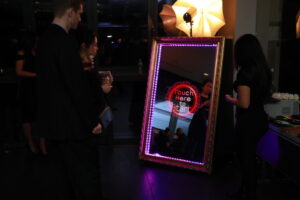
- Interactive Activities: Photo booths, VR experiences, and gaming zones add fun, interactive elements to the event.
- Professional Speakers and Industry Experts: Provide valuable insights and engage the audience with relevant topics.
- Themed Entertainment: Magicians, comedians, or themed performers can enhance the event’s theme and provide memorable experiences.
Aligning Entertainment with Objectives
Ensuring the entertainment aligns with the event’s purpose and audience is vital in corporate events production. Consider the following:
- Event Goals: Choose entertainment that supports the event’s goals, whether it’s networking, learning, or team building.
- Audience Preferences: Understand the demographics and interests of your audience to select suitable entertainment.
- Theme Consistency: Ensure the entertainment complements the event’s theme and overall branding.
4. Audio-Visual and Technical Setup
High-Quality AV Equipment
High-quality audio-visual (AV) equipment is essential in corporate events production. It includes:
- Sound Systems: Ensure clear audio for speeches, presentations, and entertainment.
- Projectors and Screens: Provide visual support for presentations and videos to enhance audience engagement.
Technical Requirements
Detailed planning for AV and technical setups is critical for smooth corporate events production:
- Lighting: Proper lighting enhances the event’s ambiance and visibility.
- Sound Checks: Conduct thorough sound checks to avoid technical issues during the event.
- AV Coordination: Ensure seamless integration of all AV components, including microphones, speakers, and projectors.
Live Streaming and Virtual Integration
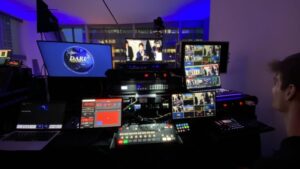
Incorporating live streaming and virtual elements is increasingly important in corporate events production:
- Hybrid Events: Use live streaming tools to reach a broader audience, combining in-person and virtual attendance.
- Platforms: Choose reliable platforms for streaming and virtual interaction.
- Engagement Tools: Incorporate interactive features like Q&A sessions, polls, and virtual networking to engage remote attendees.
By carefully planning and executing these aspects of corporate events production, companies can create impactful and memorable events that meet their objectives and resonate with their audience.
5. Event Design and Decor
Designing the Event Space
A well-planned layout is essential for effective corporate events production. Consider the following:
- Space Utilization: Optimize the space to facilitate movement and interaction.
- Seating Arrangements: Choose layouts that enhance visibility and comfort, such as theater, classroom, or banquet styles.
- Accessibility: Ensure easy access for all attendees, including those with disabilities.
Custom Decor Elements
Incorporating custom decor elements strengthens the event’s theme and branding:
- Company Branding: Use colors, logos, and branding elements consistently across decor.
- Theme Integration: Decorate in line with the event’s theme to create a cohesive look.
- Unique Touches: Add personalized elements like branded signage, custom centerpieces, and themed decorations.
Lighting and Ambiance
Professional lighting is crucial for setting the desired atmosphere in corporate events production:
- Ambient Lighting: Use soft, warm lighting to create an inviting atmosphere.
- Accent Lighting: Highlight key areas like the stage, podium, and exhibits with focused lighting.
- Dynamic Lighting: Incorporate changing lights to match the event’s mood and activities.
Staging and Branding
Effective stage design enhances visibility and engagement:
- Stage Design: Create a visually appealing and functional stage layout.
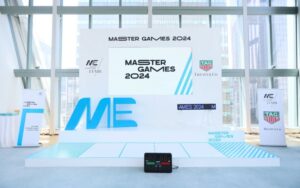
- Branding: Incorporate company logos, colors, and messaging into the stage design.
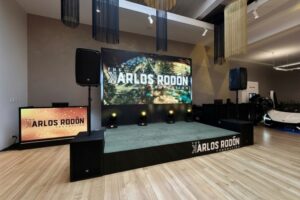
- Multimedia Elements: Use LED screens, projection mapping, and other technologies to enhance presentations and performances.
6. Catering and Refreshments
Menu Selection
Choosing the right menu is a key aspect of corporate events production:
- Diverse Options: Offer a variety of dishes to cater to different dietary needs and preferences.
- Quality Ingredients: Ensure high-quality, fresh ingredients to impress attendees.
- Dietary Restrictions: Provide options for vegetarian, vegan, gluten-free, and other dietary needs.
Themed Food and Beverages
Enhance the event theme with creative catering options:
- Themed Menus: Design food and drink menus that align with the event’s theme.
- Signature Dishes: Create unique, branded dishes or cocktails.
- Interactive Stations: Set up food stations where attendees can customize their meals.
Service Style
Choose the appropriate service style to suit the event’s format and ambiance:
- Plated Meals: Offer a formal dining experience with table service.
- Buffets: Provide a variety of options for a more casual, flexible dining experience.
- Interactive Stations: Engage attendees with DIY food stations, like taco bars or dessert tables.
7. Marketing and Promotion
Pre-Event Marketing
Effective pre-event marketing strategies are crucial for successful corporate events production:
- Email Campaigns: Send targeted email invitations and reminders.
- Social Media: Promote the event on social media platforms to reach a wider audience.
- Content Marketing: Create blog posts, videos, and infographics to generate interest.
Creating Buzz
Generate excitement and anticipation for the event:
- Teasers: Release sneak peeks or teasers to build curiosity.
- Early Bird Registrations: Offer discounts or incentives for early sign-ups.
- Influencer Partnerships: Collaborate with industry influencers to promote the event.
On-Site Promotion
Engage attendees during the event with on-site promotional activities:
- Branded Materials: Provide attendees with branded merchandise and materials.
- Interactive Elements: Set up interactive stations or activities to keep attendees engaged.
- Social Media Engagement: Encourage live social media posts and shares with event-specific hashtags.
By focusing on these key aspects, corporate events production can create impactful, memorable events that achieve business objectives and delight attendees.
8. On-Site Management
Coordinating Activities
Effective coordination is vital in corporate events production to ensure a seamless experience for attendees. Key steps include:
- Real-Time Schedule Management: Monitor and adjust the event schedule as needed to keep everything running smoothly.
- Activity Oversight: Ensure all planned activities are executed on time and as expected.
- Communication: Maintain clear and constant communication with all team members and vendors to address any immediate needs or changes.
Troubleshooting
Preparedness for potential issues is a cornerstone of successful corporate events production. Essential strategies include:
- Risk Assessment: Identify potential issues that could arise and develop contingency plans.
- Quick Response: Have a dedicated team ready to address problems immediately as they occur.
- Problem-Solving Skills: Equip your team with the skills and authority to make quick decisions and implement solutions effectively.
Successful corporate events production involves meticulous planning, coordination, and attention to detail. Professional event production enhances the attendee experience and aligns with business goals. Contact My One Of A Kind Event for expert corporate event production and ensure your event is memorable and impactful.