
Wedding reception flow is the secret ingredient that separates a forgettable night from an unforgettable one. It’s not just about throwing a party — it’s about creating a smooth sequence of moments that feel effortless for you and exciting for your guests.
A wedding reception isn’t just music, food, and dancing. It’s a timeline. When the flow works, guests stay energized, engaged, and ready to celebrate. When it doesn’t, the room feels flat, with too many pauses or awkward transitions that pull people out of the moment.
In this blog, we’ll break down exactly what wedding reception flow means, why it’s so important, and how DJs, MCs, and a little smart planning can help you skip outdated traditions and keep your night moving seamlessly.
What is Wedding Reception Flow?
The Concept of Flow
Wedding reception flow is all about pacing. It’s the way one highlight of the night transitions into the next — from the grand entrance, to dinner, to the first dance, to speeches, and finally to the party. When each element moves smoothly into the next, guests never feel like they’re waiting around. Instead, they’re always in the moment, enjoying the celebration.
Why It Matters
Reception flow isn’t just a nice-to-have; it defines how your wedding feels. Good flow keeps your guests entertained, maintains energy on the dance floor, and ensures the night feels like a celebration from start to finish. Bad flow, on the other hand, creates lulls that break the momentum, leaving guests sitting, waiting, or sneaking out early.
Your guests might not remember the exact order of events, but they’ll remember how the night felt — and that comes down to flow.
The Role of DJs and MCs in Reception Flow
Timeline Coordination
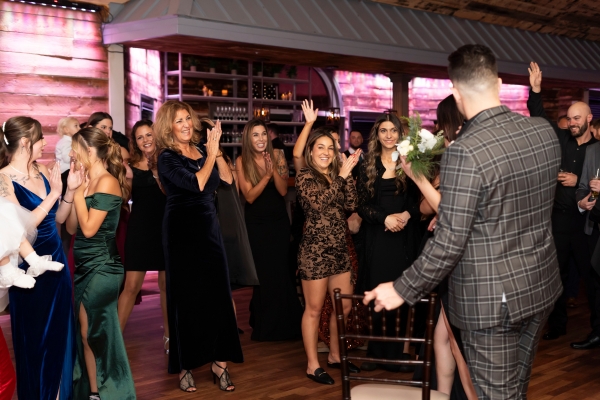
Wedding reception flow doesn’t happen by accident — it’s designed. Wedding DJs and MCs are the ones behind the scenes making it work. They don’t just play music or grab the mic; they coordinate the schedule with you, your planner, and other vendors. As the night unfolds, they make sure events happen in the right order and adjust the pacing to match the energy of the room.
Keeping the Energy High
A great DJ or MC knows that silence or confusion can kill the vibe. Their announcements, music cues, and transitions keep guests engaged and moving naturally from one moment to the next. Whether it’s hyping the grand entrance, building momentum toward the first dance, or kicking off the dance floor, they keep the night alive without downtime.
Problem-Solvers in Real Time
No wedding runs perfectly on schedule. Dinner runs late, photos take longer, or a speech goes off script. That’s where DJs and MCs shine. They pivot, reshuffle, and adapt the timeline without letting guests feel the delay. With them guiding the night, hiccups stay invisible and the flow never skips a beat.
Key Elements That Shape a Reception’s Flow
Grand Entrance
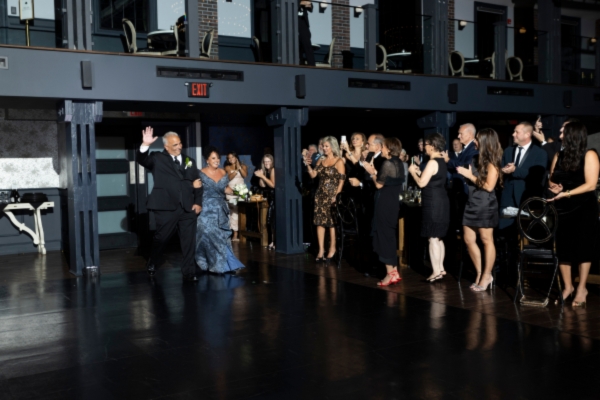
Your entrance is more than a walk into the room — it sets the tone for the entire evening. A high-energy, well-timed entrance makes guests excited and signals that the celebration is officially underway.
Dinner & Food Service
Food service is a critical part of wedding reception flow. Traditional multi-course plated dinners can drag, while stations, buffets, or cocktail-style receptions keep guests mingling and energy levels up. Smooth service keeps the celebration moving instead of stalling.
Toasts and Speeches
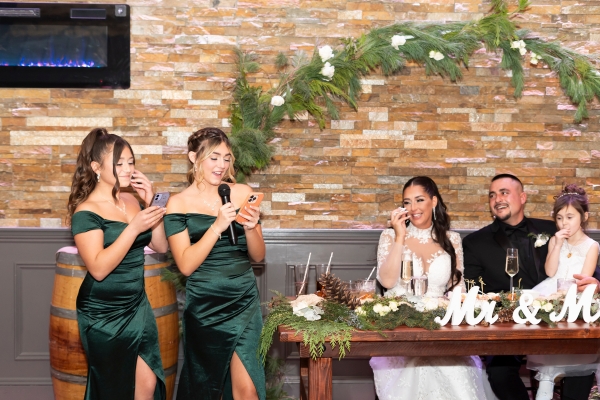
Speeches are meaningful but can become momentum killers if they go too long. Short, intentional toasts — two to three minutes max — strike the right balance between heartfelt and efficient, keeping the focus on celebration rather than waiting.
Dances
From the couple’s first dance to parent dances, these moments work best when they’re well-timed. Shorter dances or choreographed routines keep guests engaged, and transitioning quickly from these highlights into open dancing ensures the party takes off.
Entertainment and Enhancements
The extras — like lighting, sparklers, special effects, or even a custom dance floor — aren’t just “wow” factors. They create seamless transitions and maintain energy, helping the night flow without interruptions.
Traditions That Can Slow Down the Flow
Long Wedding Party Introductions
Gone are the days of announcing every bridesmaid, groomsman, and distant cousin. Many couples now skip extended intros or keep them short with just themselves, keeping the momentum alive instead of dragging the night.
Extended First Dances
While the first dance is a treasured tradition, five to six minutes of slow dancing can feel like an eternity for guests. Shorter, choreographed, or even guest-inclusive dances keep the energy fun and fresh.
Lengthy Speeches
A lineup of long-winded speeches pulls focus away from the celebration. Most couples are now cutting speeches down to just one or two people, or moving them to the rehearsal dinner to save time during the reception.
Formal Multi-Course Dinners
Traditional plated meals can cause long stretches of downtime. Today’s couples are swapping them out for food stations, food trucks, or cocktail-style service that keeps guests moving and engaged.
Long Ceremonies Beforehand
The flow of the reception often starts with the ceremony. Modern couples are choosing shorter, 20–30 minute ceremonies, which set a better pace and prevent guests from feeling worn out before the party even begins.
Common Mistakes That Break the Flow
Too Much Downtime Between Events
One of the biggest killers of wedding reception flow is downtime. When guests are left waiting too long for dinner, stuck in their seats during endless speeches, or sitting around before the dance floor opens, the energy drops fast. Those pauses make the night feel disjointed and can leave guests heading home earlier than planned.
Overloading the Schedule
Couples sometimes try to pack every tradition into one evening — bouquet toss, garter toss, multiple speeches, long photo sessions, endless dances. While each moment might feel important on its own, stacking them all back-to-back creates a reception that feels more like a checklist than a celebration. Keeping the schedule lean and intentional makes the night flow better.
Poor Vendor Coordination
Even the best timeline falls apart if vendors aren’t on the same page. If the caterer is behind on dinner service, the DJ is waiting for cues, and the photographer isn’t ready for the first dance, guests feel the disconnect. Strong communication between vendors keeps everything aligned, making the night feel smooth and effortless.
How to Plan a Seamless Wedding Reception Flow
Work Closely With Your DJ/MC
Your DJ and MC are more than entertainers — they’re the directors of your wedding reception flow. By managing announcements, pacing, and transitions, they keep everything on track. The more you lean on their experience, the smoother your timeline will feel.
Streamline Traditions
Not every wedding tradition adds value to your night. Skip the long bridal party intros, rethink the garter toss, and cut back on speeches. Keep the moments that matter most to you, and let go of the ones that drag down the celebration.
Prioritize Guest Energy
The best receptions put guest experience first. Guests should never be left sitting too long or wondering what’s happening next. Keep the timeline moving, the music flowing, and the dance floor open as much as possible.
Build in Flexibility
Even the most detailed timeline needs wiggle room. Allow buffer time for photos, vendor delays, or spontaneous moments. That flexibility keeps stress low and ensures your wedding reception flow feels natural, not forced.
Sample Wedding Reception Timeline
Grand Entrance (short + impactful)
Kick off the night with a quick, high-energy entrance that gets everyone excited without dragging on.
Dinner & Speeches (concise + engaging)
Serve food in a style that keeps guests moving and cap speeches at just a few minutes each. It’s enough to feel meaningful without slowing the night.
First Dance & Parent Dances (streamlined + heartfelt)
Keep these dances sweet and intentional. Shorter songs or choreographed routines capture the moment without losing guest attention.
Dance Floor Opening (early + energetic)
Get people dancing sooner rather than later. Once the floor is open, it sets the tone for the rest of the night.
Cake or Dessert Service (interactive stations, no pause in flow)
Instead of stopping the party for cake cutting, bring desserts to guests or set up fun stations that don’t interrupt the energy.
After-Party Options (for guests who want to keep going)
For those not ready to call it a night, an after-party with outfit changes, late-night snacks, or club vibes keeps the celebration alive.
Why Reception Flow Impacts the Guest Experience
Energy and Engagement
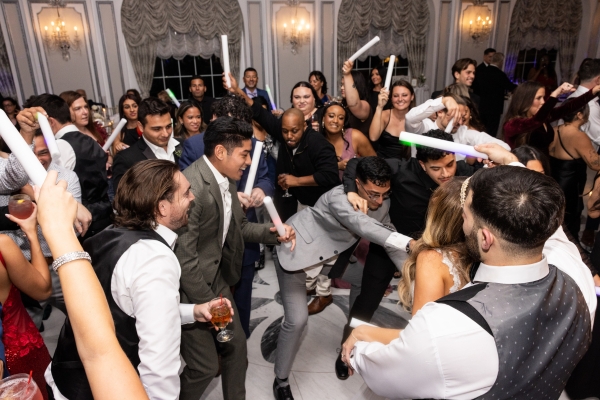
Wedding reception flow sets the pace for how guests experience your night. When the timing is smooth and transitions are quick, the dance floor stays full and the energy never dips. A well-paced reception keeps people excited and engaged from start to finish.
Stress-Free for the Couple
A strong reception flow doesn’t just benefit guests — it makes the couple’s night easier, too. With everything running seamlessly, there’s no need to stress over timing or logistics. Instead, you get to relax, be present, and actually enjoy your wedding.
Lasting Memories
At the end of the day, guests don’t remember how long dinner took or how many speeches were made. They remember the atmosphere — the laughter, the dancing, and the overall energy of the celebration. A wedding reception flow designed with intention ensures those memories are positive, fun, and unforgettable.
Conclusion: Flow is the Key to Celebration
A wedding reception flow is the difference between a party that drags and a night that flies by. With the right pacing, thoughtful planning, and the guidance of skilled DJs and MCs, your reception feels effortless and fun instead of rushed or overwhelming.
By trimming outdated traditions, prioritizing guest experience, and working with the right team, you set the stage for a celebration that flows seamlessly from one moment to the next.
Contact One of a Kind Events today to design a wedding reception that flows smoothly from start to finish — and gives you and your guests a night to remember.
FAQ on Wedding Reception Flow
How long should a wedding reception last?
A typical reception lasts 4–6 hours, depending on your guest count, dinner service, and how long you want the dance floor open. The key is pacing it well so it feels full without dragging.
Who is responsible for managing wedding reception flow?
Usually, your DJ and MC handle the flow by coordinating with your planner, caterer, and photographer. They guide announcements, transitions, and timing so you don’t have to stress.
How do I avoid downtime during my wedding reception?
Keep speeches short, streamline traditions, and work closely with your DJ/MC. Interactive food stations and entertainment can also keep guests engaged while transitions happen.
What’s the best order of events for a wedding reception?
Most receptions flow from a grand entrance to dinner and speeches, then into the first dances, cake or dessert service, and finally, an open dance floor. Adding an after-party is optional.
Can I skip certain traditions to improve flow?
Absolutely. Many couples cut the bouquet toss, garter toss, or lengthy introductions to keep the reception smooth. Focus on the moments that matter most to you.