
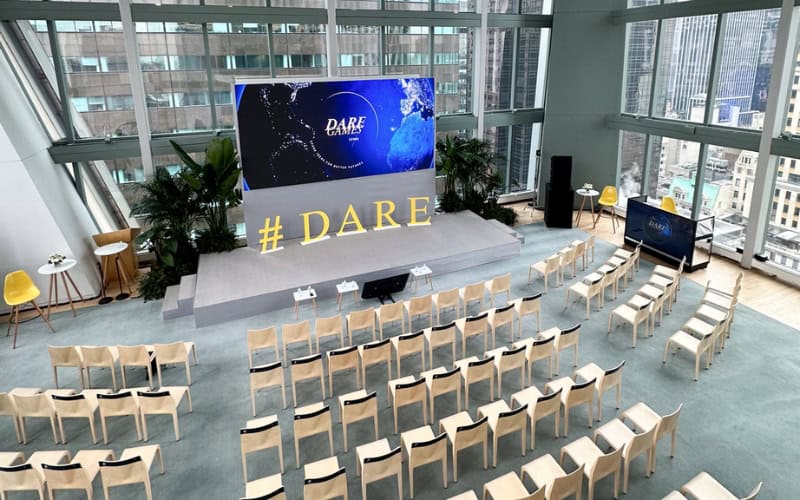
Stage sizes get Googled constantly because nobody wants to rent the wrong platform and realize it when the room is full. Couples want the band to look right in photos, planners want the timeline to run smoothly, and event producers want a setup that’s safe, clean, and professional.
The biggest mistake? Choosing a stage based on guest count alone. Crowd size matters for sightlines, but stage sizing is really about performers + gear + room layout.
This guide keeps it simple: you’ll get exact stage dimensions based on event type, band size, and venue footprint—so you can book confidently and avoid expensive “we need to upgrade” surprises.
Need staging for your event? One Of A Kind Events provides stage rentals, delivery, setup, and full production planning.
Stage Size Cheat Sheet (Quick Answer)
If you just want the quick answer, here it is:
- 8×8 = DJ booth / solo performer
- 8×12 = ceremony musicians / small setup
- 12×16 = wedding band basic setup
- 16×20 = most common full band stage size
- 20×24 = high-energy bands + horn sections
- 24×32+ = big production / concert staging
- 32×40+ = festivals, orchestras, major corporate shows
Standard Stage Sizes
Small stage dimensions (8×8 / 8×12 / 8×16)
These are best when you need a clean footprint and minimal gear:
- DJs (controller/table setup), solo artists, duos, small speaking events
- Ceremony musicians (especially when space is tight)
When it looks too small: big ballrooms. In a large room, a small stage can feel lost—and the setup can look “temporary” instead of intentional.
Medium stage dimensions (12×16 / 16×16 / 16×20)
This is the sweet spot for most events:
- The most common wedding + corporate stage sizes
- Enough room for real performance spacing and clean visuals
If you’re an event planner and you want a safe default, this is usually it—especially 16×20, which fits a full band comfortably without taking over the room.
Large stage dimensions (20×24 / 24×32 / 32×40)
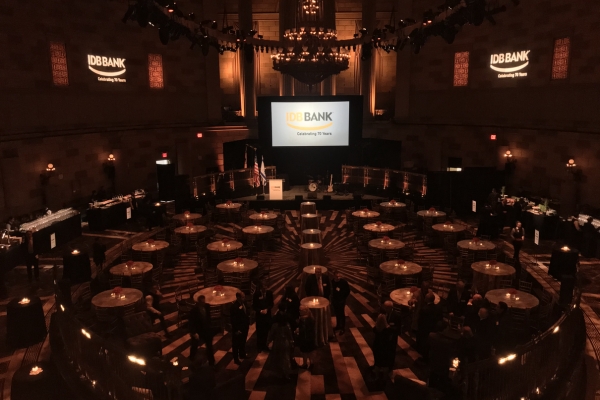
This is for big energy and big production:
- Bands with full backline (drums, keys, amps), multiple vocalists, horn sections
- Corporate shows with multiple presenters, props, or heavy branding
You also step into “large stage” territory when you need depth for lighting, LED walls, or a clean backstage/tech zone.
Recommended Stage Sizes for Bands
Stage size for a solo artist or duo
- 8×8 (small): minimal setup, tight footprint
- 8×12 (medium): more room for movement/extra mic stands
- 12×16 (large): best for a polished “show” look
Stage size for a 3–6 piece band
- 12×16 (small): works, but can feel tight with drums + keys
- 16×20 (medium): the most reliable, professional setup
- 20×24 (large): great when you want real stage presence
Stage size for a 7–10 piece band
- 20×24 (small): doable, but you’ll be space-conscious
- 24×24 (medium): strong square footprint for bigger setups
- 24×32 (large): best for comfort, spacing, and clean visuals
Stage size for orchestra / large production
- 24×32 (small): minimum for larger ensembles
- 32×32 (medium): gives spacing and proper layout
- 32×40+ (large): festival-level staging and big productions
Wedding band stage sizing (most common setups)
If you’re looking for the standard wedding band stage, 16×20 is usually the best balance: it looks “right” in photos, fits real gear comfortably, and doesn’t steal space from the dance floor. If you’re adding horns, extra vocalists, or heavy production, bump up to 20×24.
Stage Height Guide (How Tall Should the Stage Be?)
Standard stage height options
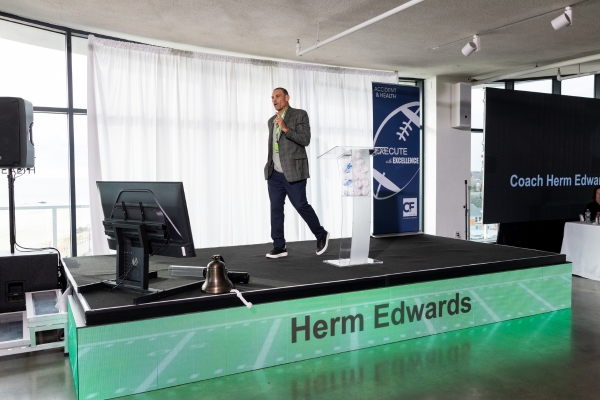
- 1 ft stage height: low riser (subtle, clean, safe)
- 2 ft stage height: small events, tight rooms
- 3 ft stage height: corporate + banquet rooms
- 4 ft stage height: most concerts + bands (classic “performance” height)
- 5 ft stage height: large outdoor audiences / long viewing distances
How to choose the right stage height
Start with the crowd format:
- Seated audience: you can often go lower because sightlines are cleaner
- Standing crowd: you’ll usually need more height so people in back can see
Quick sightline rule: if the first few rows can’t clearly see the performer’s legs and movement, the stage is probably too low—go higher.
And remember: distance matters more than headcount. A 150-person crowd spread across a deep room can need a taller stage than a tighter 250-person layout.
How to Choose Stage Size (5 Key Factors)
Number of performers (and how they move)
The first thing that decides stage size isn’t your guest count — it’s how many people need to stand, move, and perform safely.
Think about:
- Singers (front line space matters)
- Dancers (they need width and clear lanes)
- Speakers (less space needed, but presentation spacing matters)
- Musicians (drums and keys take up way more room than people realize)
If performers feel cramped, the whole event looks cramped.
Equipment footprint (the thing people forget)
This is the #1 reason stages end up being too small.
Common space hogs:
- Drum kit depth (usually needs 6–8 feet of depth minimum)
- Keyboard stand + bench
- Guitar and bass amps
- DJ table width (plus laptop stands)
- Mic stands, mic cables, monitor speakers
A stage can “fit” the people but still fail because the gear eats all usable space.
Venue size and room layout
A stage that looks perfect in a tight ballroom can look tiny in a warehouse.
Key reality:
- Big rooms make the stage look smaller
- Wide rooms make the stage feel narrow
- Long rooms create sightline problems unless height is increased
Ballroom, tent, rooftop, and outdoor lawn setups all change how stage sizing feels.
Audience size and viewing angles
Audience size matters, but viewing angles matter more.
Basic rule:
- Wide rooms need more stage width
- Long rooms need more stage height
If guests in the back can’t see, the event instantly feels less professional.
Event type and pacing
Stage sizing should match the vibe.
Examples:
- Weddings need a stage that supports entertainment without blocking the dance floor or guest experience.
- Corporate events need clean lines, branding space, and presentation focus.
- Concert-style shows need performance depth and visual impact.
Stage Size by Event Type (Most Searched Use Cases)
Stage size for corporate events
Corporate stages need to look clean, intentional, and camera-ready.
Most common setups:
- 12×16 for panels, awards, and branding backdrops
- 16×20 for keynotes, presenters who move, or bigger screens
Stage size for conferences and speakers
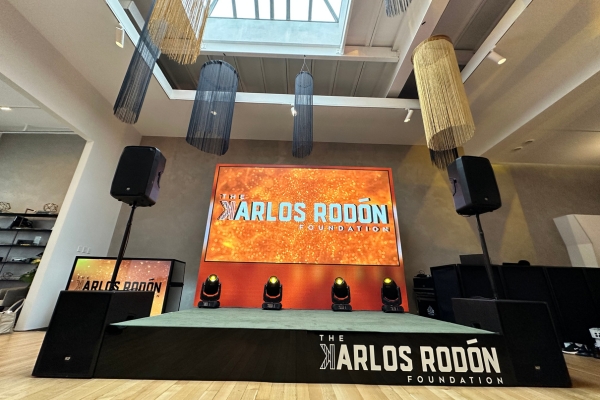
Speakers don’t need a massive stage — but they need depth.
Depth matters for:
- Podiums
- Confidence monitors
- LED walls or projection screens
- Walk space (so the speaker doesn’t feel boxed in)
A shallow stage makes the whole presentation feel tight.
Stage size for weddings
Weddings are tricky because the stage has to support the entertainment without killing the dance floor.
Most common wedding recommendations:
- Best for wedding bands: 16×20
- Best for wedding DJs: 8×8 or 8×12
- Best for visibility (without blocking sweetheart table): keep it elevated but not oversized
Stage size for concerts and live shows
If it’s a true live performance environment, 20×24 is usually the baseline for a professional band setup.
Why?
- It allows real spacing for drums, keys, amps, and multiple vocalists
- It looks correct in photos and videos
- It gives performers room to move without safety issues
Stage size for school events and graduations
Graduations and school events usually need width more than depth.
Why?
- Multiple presenters
- Award lines
- Diplomas and announcements
A wider stage prevents awkward crowding and keeps the ceremony flowing.
Outdoor festival stage sizing
Outdoor events almost always need a larger stage than indoor ones.
Why?
- The crowd is spread out farther
- Wind and weather require more stability and proper rigging
- Height becomes more important for visibility
Outdoor stages should scale up faster than people expect.
Stage Layout Planning (Stage Plot Basics)
Typical band stage setup diagram (explained)
Most band layouts follow a standard formula:
- Drums centered in the rear
- Vocals across the front
- Keys stage left
- Guitar stage right
- Monitor speakers angled toward performers
- Clear cable lanes so nobody trips mid-performance
A stage isn’t just about size — it’s about having enough space to keep the layout clean.
How much extra room you need behind the stage
You need rear clearance if you’re adding:
- LED video walls
- Backdrops and drape
- Lighting rigs
- Performer entrances/exits
This is why deeper stages feel more professional — they leave breathing room.
Side wings and off-stage storage
Most events forget this completely.
You need side space for:
- Spare microphones
- Props
- Tech crew
- Extra cables and equipment
Even a few feet of side clearance makes the whole setup smoother and safer.
Common Stage Sizing Mistakes
Choosing a stage that’s too small
This is the most common problem.
What happens:
- Performers get cramped
- Equipment ends up hanging near edges
- The stage looks messy on camera
- Safety becomes a real issue
A too-small stage makes even a great band look unprofessional.
Choosing a stage that’s too big
Bigger isn’t always better.
If the stage is oversized:
- It eats the dance floor
- It kills room layout flow
- It blocks guest tables and sightlines
- It wastes budget fast
Forgetting stairs, rails, and ADA access
A stage without access planning is a liability.
Don’t forget:
- Stairs for performers and speakers
- Rails for safety
- ADA ramp access if needed
Not planning for sound + lighting zones
Stages need more depth than people assume because you’re not just placing humans — you’re placing production.
Sound, lighting, and cables need their own space.
Frequently Asked Questions About Stage Sizing
What is the standard size of a stage?
There isn’t one universal standard, but the most common “general purpose” stage sizes are 12×16 and 16×20. Those work for a lot of weddings, corporate events, and live music because they balance footprint and usability.
What is the average stage size for a wedding band?
For most wedding bands, 16×20 is the sweet spot. It’s wide enough for a full front line and deep enough for drums and backline gear without making the room feel swallowed by staging.
What stage size do I need for a 5 piece band?
A 5-piece band typically fits best on 16×20. If the setup is light (small kit, minimal amps), 12×16 can work, but 20×24 is better if you have a big drum kit, multiple vocalists, or extra production.
How big is an 8×12 stage?
An 8×12 stage is 96 square feet. It’s great for ceremony musicians, a DJ booth, or a small speaking setup — but it usually feels tight for a full band once drums and monitors go down.
What is the standard stage height?
Most event stages land in the 2–4 foot range. Indoors, 3–4 feet is common for bands; 1–2 feet works for DJs or intimate rooms where you don’t want the stage to dominate.
How tall should a stage be for a seated audience?
For seated crowds, 2–3 feet is usually plenty unless the room is deep or sightlines are blocked. If guests in the back can’t see past heads and centerpieces, bump up toward 3–4 feet.
How much space does a DJ need on a stage?
Most DJs are comfortable with 8×8 minimum. If you want breathing room for facades, extra gear, or a clean “production look,” go 8×12 (or bigger) — especially in large ballrooms.
What stage size works for a gala or awards event?
For galas and awards, 12×16 works for a podium + 2–4 presenters, while 16×20 is better if you need walk space, group photos, or multiple entrances. If you’re adding LED walls, steps, or lots of staging décor, consider 20×24 so it doesn’t feel cramped.
Stage Size Recommendations (Quick Table)
This is the easiest way to choose quickly:
| Event Type | Stage Size | Stage Height |
| DJ Setup | 8×8 | 1–2 ft |
| Wedding Band | 16×20 | 3–4 ft |
| Conference Keynote | 12×16 | 2–3 ft |
| Large Concert | 24×32 | 4–5 ft |
Final Thoughts: The Right Stage Size Makes the Whole Event Look Better
A stage isn’t just a platform — it controls your layout, visuals, energy, and flow.
When stage sizing is done right:
- The room feels intentional
- Sound improves
- Sightlines improve
- Photos and video look dramatically better
Need help choosing stage dimensions for your event? One Of A Kind Events provides staging rentals, delivery, setup, and full production planning. Contact us for a custom quote.
Stage Rentals + Production Add-Ons That Matter
Stage sizing is only half the equation. The upgrades below are what make it look finished:
- Stage skirting
- Stairs + rails
- Lighting truss
- LED video walls
- Dance floors rentals
- CO2 guns / cold sparks (venue dependent)
These add-ons turn a basic platform into a real production setup.