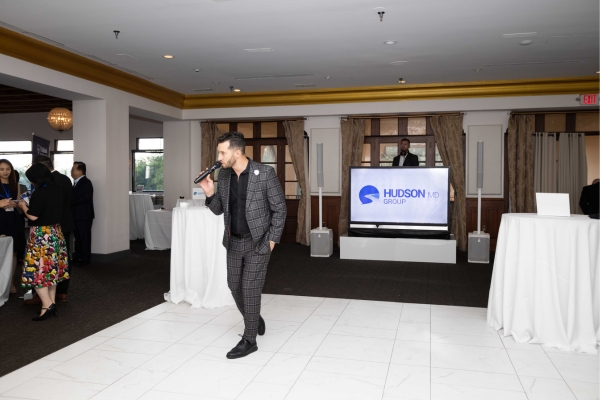
Strong event flow is the reason some events feel effortless while others feel chaotic. It’s the invisible structure that guides guests from one moment to the next — without them ever needing to ask where to go or what’s happening. When flow is designed well, guests simply feel comfortable, confident, and engaged. When it’s not, they feel it instantly, even if they can’t explain why.
Good flow applies to every type of event — weddings, corporate gatherings, galas, mitzvahs, social parties, concerts, and everything in between. Whether you’re planning a high-end celebration or a simple dinner reception, the way guests move, interact, and transition shapes the entire experience.
In this guide, we’ll break down the core principles of event flow, from layout and zoning to sensory cues, timeline pacing, crowd comfort, and emotional transitions. This is your blueprint for creating events that feel natural, memorable, and ridiculously smooth.
What is Event Flow?
The Definition of Event Flow
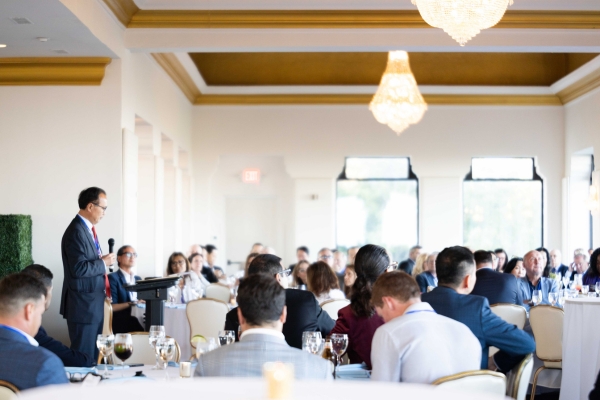
Event flow is the way guests move through your event both physically and emotionally. It’s the pace at which activities unfold, how transitions happen, and the overall rhythm of the experience from arrival to departure.
Strong flow acts as the connective tissue between every moment — guiding guests without forcing them, shaping emotion without drawing attention to itself. It’s the silent coordinator behind every successful event.
What Good Event Flow Feels Like
When event flow is done right, guests feel:
-
Confident, because they always know where to go next.
-
Engaged, because the pacing feels natural and never rushed.
-
Relaxed, because downtime feels intentional, not awkward.
Good flow creates seamless transitions — from cocktails to dinner, from speeches to dancing, from mingling to high-energy moments. Everything feels cohesive, like one continuous experience instead of disconnected pieces.
The Hidden Problems Caused by Poor Flow
Poor event flow doesn’t just cause minor inconveniences — it disrupts the entire atmosphere. Common issues include:
-
Bottlenecks and crowd congestion, usually near bars, entrances, or food stations.
-
Long pauses that kill momentum and leave guests unsure of what’s happening.
-
Clusters of guests forming in the wrong areas due to unclear direction.
-
Sudden drops in energy, making the event feel flat or disorganized.
These issues are usually invisible during planning but become very obvious during execution — and they can make even a beautifully designed event feel frustrating.
Why Event Flow Matters
Guest Comfort and Confidence
When event flow is intentional, guests instantly feel taken care of. Clear movement paths and natural transitions reduce:
-
Anxiety
-
Wandering
-
Confusion
-
Overcrowding
This creates a sense of ease that encourages conversation, connection, and enjoyment — the exact emotional landscape you want guests to experience.
Timing, Rhythm, and Emotional Pacing
A well-paced event follows the natural rhythm of human energy. Good flow ensures:
-
Energy rises and dips at the right moments.
-
Speeches don’t interrupt conversations.
-
Dinner doesn’t drag.
-
Dancing starts when the crowd is ready.
-
Big moments — entrances, reveals, surprises — land with impact.
It’s less about “following the schedule” and more about shaping how the event feels.
The Difference Between Basic and Elevated Events
Luxury, high-production events almost always invest heavily in event flow because it determines:
-
How immersive the event feels
-
How guests interact with the space
-
How the story of the event unfolds
When done right, flow transforms a standard event into an experience — the kind guests remember, talk about, and feel connected to.
Designing Your Event Flow From the Start
Mapping the Guest Journey
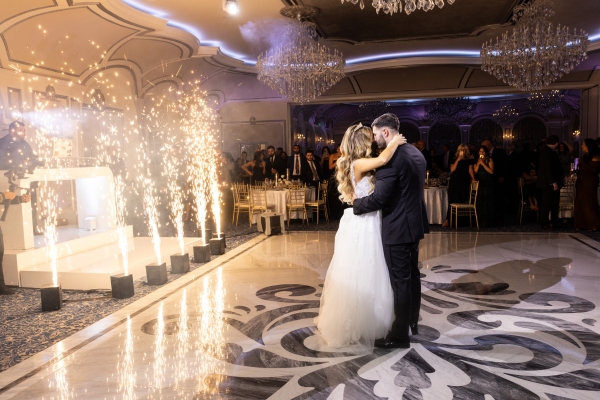
You can’t design great event flow without thinking through the guest experience step-by-step:
-
Arrival → Check-in → Cocktail Hour → Main Program → Entertainment → Closing Moments
-
Identify potential friction points (bottlenecks, long waits, cramped areas).
-
Identify anchor moments — key points that define the event’s emotional arc.
Mapping this journey early helps shape everything: layout, timing, staffing, music, lighting, and transitions.
Selecting a Venue That Supports Flow
A venue can make or break your flow, regardless of your plan. Consider:
-
Room size and how it affects movement.
-
Ceiling height, which influences lighting and energy.
-
Acoustics, which affect speech clarity and music quality.
-
Lighting placement, which guides guest attention.
-
Built-in restrictions, like fixed stages, narrow hallways, or limited entrances.
A good venue gives your flow room to breathe — not restrict it.
Understanding Movement Patterns
There are always natural “magnets” at an event:
-
The bar
-
The stage
-
The food stations
-
The entrance
By anticipating where guests naturally gather, you can:
-
Create clear pathways to avoid congestion.
-
Prevent overcrowding in key areas.
-
Position attractions so movement feels intuitive.
-
Keep traffic flowing without staff needing to redirect people.
Design around where guests will go, not where you hope they will go.
Creating Zones for Movement and Interaction
Welcome & Arrival Zone
The welcome area is where event flow begins — and guests make their first judgment within seconds. Your check-in or greeting setup should feel smooth, intuitive, and fast. No long lines. No confusion.
Use lighting cues to immediately set the tone: warm uplights for elegance, cool tones for modern vibes, or dramatic spotlights for brand activations. Subtle scent choices — like citrus for energy or vanilla for comfort — create an emotional imprint right away. Even entrance music matters. Soft instrumentals, ambient beats, or a curated playlist help guests settle in and understand the mood before they even step fully inside.
Main Social / Cocktail Zone
This is where early mingling happens, so the layout should encourage easy interaction. Think clusters of seating arranged in small conversational pods — never long straight rows.
Place the bar in a spot that feels central but not congested. Bars are natural magnets, and poor placement creates instant bottlenecks. Ambient lighting should feel warm and inviting without being overpowering. The zone should feel open, comfortable, and active, with plenty of space for natural movement between conversations.
Activity & Engagement Zone
Games, photo booths, brand activations, and sponsor stations all belong in a dedicated engagement area. Spread these elements out instead of grouping them tightly together — this reduces crowding and increases participation.
Place interactive stations along natural walking paths so guests “discover” them without being forced into them. Balanced spacing keeps energy circulating and helps the event feel dynamic without overwhelming any single area.
Dining & Seated Zones
Dining zones need to balance form and function. Keep pathways wide enough for waitstaff to move efficiently without brushing guests’ chairs or interrupting conversations.
Ensure every table has a clear line of sight to the stage, screens, or presenter. No guest should feel isolated or “out of the action.” Seating layouts—banquet, cabaret, or mixed formats—should support both comfort and easy social connection throughout the meal.
Dance Floor or High-Energy Zone
Your dance floor is the heart of high-energy moments, which makes central placement key. Hide it in a corner and you lose momentum before it starts.
Place speakers strategically so sound is full but not overwhelming. Lighting effects—moving heads, strobes, color washes—should signal an intentional mood shift as guests enter this area. That visual transition is what tells people: It’s time to celebrate.
The Role of Sensory Design in Event Flow
Lighting as Behavioral Direction
Lighting literally guides behavior. Bright areas pull guests forward; dimmer areas encourage slower, more intimate moments.
Use lighting transitions—such as dimming before speeches or brightening to encourage movement—to help guests understand the shift without needing verbal cues. Color temperature also shapes emotion: warm tones feel inviting, while cooler tones feel sleek or energizing.
Sound and Music Influence
Sound is one of the most powerful tools for shaping event flow. Keep volume levels balanced: lower in conversation-heavy areas, higher near activities and the dance floor.
Music style also controls pacing. Upbeat tracks during cocktail hour encourage mingling, while softer music during dinner creates intimacy. Sound cues—like shifting playlists or quick mic announcements—help transition guests smoothly from one moment to the next.
Color Psychology in Event Design
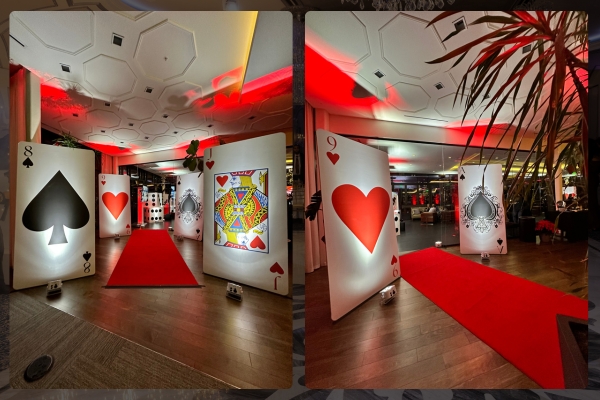
Warm tones (reds, ambers, golds) elevate energy. Cool tones (blues, greens, purples) calm the room. A strategic blend can direct guests through zones without them ever noticing the intention.
Color can also act as a navigation tool: different areas can subtly differentiate themselves through hue. And when color flow matches the theme or brand identity, it creates visual cohesion that guests instantly understand.
Timeline Planning and Transitions
Building a Balanced Schedule
Event pacing should feel natural—not rushed or dragged out. Avoid stacking too many high-energy moments back-to-back.
Create a rhythm: energy → pause → energy → highlight → slow down → finish strong. Meals, breaks, entertainment, and speeches should flow in a pattern that feels human and intuitive. Peak moments should land at times when guests are most attentive and emotionally receptive.
Managing Activity Transitions Smoothly
Transitions make or break an event. Use lighting changes, soft announcements, or music shifts to signal what’s happening next.
Coordinate timing with every vendor—catering, photography, entertainment, staff—so transitions happen cleanly. Keep transitions short but purposeful, never abrupt or confusing.
The DJ and MC’s Role in Flow
Your DJ and MC control event flow in real time. They manage pacing, energy, and guest direction through tone, timing, and announcements.
A skilled MC delivers clear, warm instructions that guide people effortlessly. The wedding DJ’s timing determines when the dance floor opens, when energy lifts, and how the night closes. This duo is the backbone of your event’s momentum.
Crowd Management & Comfort Strategy
Clear, Comfortable Pathways
Walkways should be wide—think 3 to 5 feet minimum. Guests should never feel squeezed or forced to take awkward detours.
Avoid dead-ends or tight corridors, and remove unnecessary furniture that interrupts flow. Clean, open paths keep movement natural and stress-free.
Seating and Accessibility Planning
Mix high-top tables, seated areas, and standing zones to support different guest preferences.
Offer quiet corners away from high-energy zones for guests who need a breather. And ensure all pathways are accessible for anyone with mobility needs—it’s not just a courtesy; it’s essential for inclusive design.
Keeping Guests Physically Comfortable
Temperature and airflow are some of the most overlooked details in event planning. Good ventilation matters more than décor when it comes to comfort.
Avoid hot zones near lighting fixtures or cold drafts near entrances. When guests feel physically comfortable, they stay longer and enjoy more.
Event Flow for Different Types of Events
Weddings
Weddings rely on event flow more than almost any other type of celebration. Guests move through several emotionally distinct moments, and the pacing between them determines how the entire day feels. Think of the event as a story with chapters:
-
A smooth progression from ceremony → cocktail hour → reception → after-party keeps everyone grounded and excited for what’s next.
-
Family flow matters too — photo sessions, introductions, and reserved seating should be intentionally mapped to avoid confusion or delays.
-
And when it comes to dancing, the flow of energy is everything. The DJ should open the floor strategically, build momentum in waves, and give just enough structured moments (first dance, parent dances) to keep emotion high without breaking the rhythm.
When wedding flow feels right, the night feels effortless.
Corporate Events
Corporate events need clear structure, timing, and movement. Guests should always know where to go and what’s happening next — without feeling rushed. Strong event flow ensures:
-
A seamless arrival experience with efficient registration, followed by well-timed programming blocks.
-
Networking windows that allow conversation without cutting into presentations.
-
Smart placement of sponsor zones and engagement hubs near natural pathways so brand activations attract interest without causing bottlenecks.
-
Stage pacing that maintains attention — keeping keynotes, panels, and transitions polished and on schedule.
When the flow is intentional, corporate events feel professional, purposeful, and worth attending.
Social Events & Galas
Social events, fundraisers, and corporate galas thrive on energy, movement, and big visual moments. Their event flow should feel elegant and high-impact:
-
Start with a grand entrance moment—a photo backdrop, red carpet, statement installation, or live entertainer to set the tone.
-
Place dessert stations, lounges, and interactive areas throughout the venue to keep guests circulating instead of clustering in one spot.
-
End the night with a high-energy peak: a performance, DJ set, reveal, or programmed send-off that closes the event with excitement and intention.
When a gala’s flow feels luxurious and well-paced, guests stay engaged—and stay longer.
Final Thoughts: Mastering Your Event Flow
Great event flow doesn’t happen by accident. It’s the result of thoughtful planning, smart layout choices, intentional transitions, and a deep understanding of how people naturally move and interact. When you design your event with flow in mind, you create a guest experience that feels smooth, intuitive, and unforgettable.
Flow is the foundation of every successful event — the invisible thread that pulls all the elements together. From lighting and sound to zoning and timeline design, it’s what separates ordinary gatherings from truly immersive experiences.
Ready to elevate your next event? One of a Kind Events delivers full event design, production, DJ/MC flow management, and custom enhancements that bring every moment to life. Contact us today.
Frequently Asked Questions about Event Flow
1. What is event flow?
Event flow refers to how guests move, experience, and transition through each moment of an event. It includes pacing, layout, energy levels, and the overall sequence of activities.
2. Why is event flow important?
Good event flow keeps guests comfortable, engaged, and confident about where to go next. It prevents bottlenecks, awkward pauses, and energy drops throughout the event.
3. How do you design strong event flow?
Start by mapping the guest journey from arrival to departure. Plan clear zones, natural pathways, sensory cues, and a balanced timeline that prevents overcrowding or rushed transitions.
4. What are common event flow mistakes?
Poor signage, cramped layouts, long wait times, overcrowded bars, and abrupt timeline changes are some of the most common issues that disrupt event flow.
5. How does lighting affect event flow?
Lighting guides behavior. Bright areas attract guests, dim areas help them relax, and lighting transitions signal when it’s time to shift from cocktails to dinner to dancing.
6. Can DJs and MCs improve event flow?
Absolutely. A skilled DJ and MC control pacing in real time, guide transitions, energize the crowd, and keep the event timeline moving smoothly.