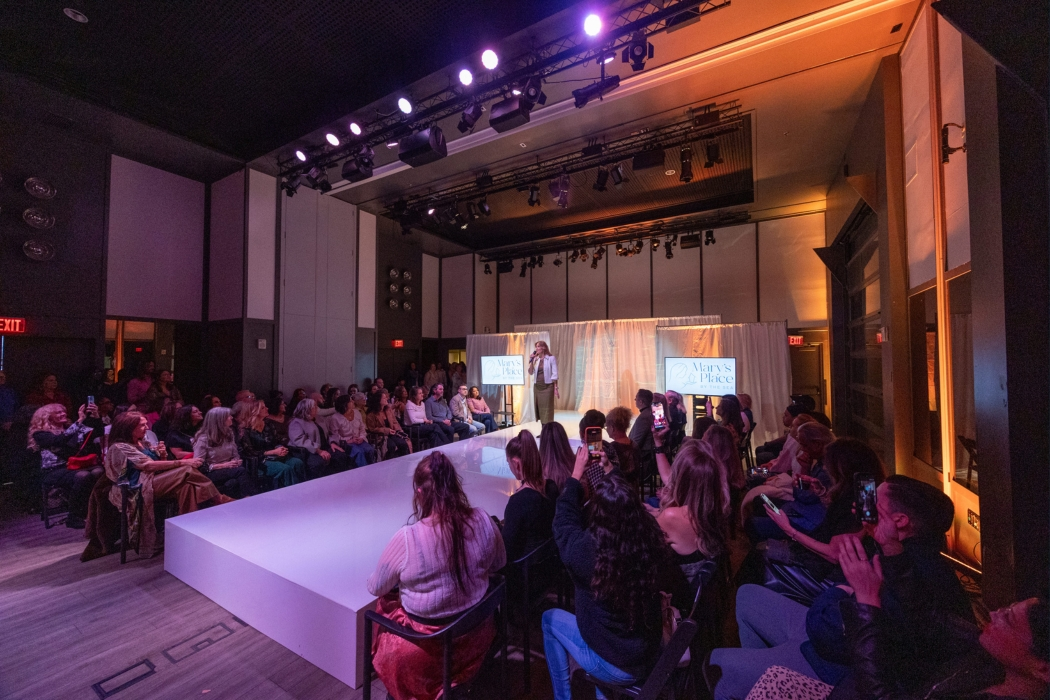
Fashion show stages do far more than give models a place to walk. The stage shapes sightlines, controls pacing, frames the clothing, supports brand identity, and influences how the audience experiences the event from the first look to the final walk.
A fashion show stage is not just a runway. The layout changes how the collection is seen. The lighting and backdrop change how the garments photograph. Audience placement affects both visibility and energy. When the design is done well, the entire show feels elevated, intentional, and editorial instead of improvised.
At One Of A Kind Events, we design fashion show environments that bring staging, layout, lighting, branding, and audience experience together as one cohesive production. That is what makes fashion show design so important. If you want a fashion show stage that looks polished and performs just as well in person, explore our stage design services.
What Are Fashion Show Stages?
More Than Just a Runway

Fashion show stages can take a lot of forms depending on the venue, the collection, and the type of event. Some shows use a classic straight runway. Others use T-shaped runways, U-shaped layouts, square stage builds, or more immersive configurations that bring the audience in from multiple angles.
In many cases, the stage also includes much more than the runway itself. It may feature risers, presentation platforms, branded backdrops, entrance points, reveal curtains, side staging, or scenic elements that frame the show. All of these pieces affect how the event looks and how it feels.
That is why it helps to think of fashion show stages as complete environments, not just walking surfaces. The runway may be the centerpiece, but the full setup is what creates the experience.
Why Stage Design Matters in Fashion Events
Stage design matters because it directly affects how the collection is presented. If the layout is wrong, guests miss key angles. If the lighting is off, the garments may photograph poorly or lose detail. If the backdrop feels disconnected from the brand, the show can look less polished than it should.
A strong stage design helps the clothing read clearly, both in person and on camera. It gives the audience better visibility. It helps photography and video look cleaner. It reinforces the brand or theme behind the event. It also gives models a more confident, functional space to move through.
Just as importantly, the stage affects the overall flow of the show. A thoughtful layout can make the event feel smooth, premium, and high impact. A weak one can make even a strong collection feel flat.
The Main Types of Fashion Show Stages
Fashion show stages come in a few main formats, and each one changes how the audience sees the collection, how the room feels, and how the event photographs. The right choice depends on the venue, the audience layout, and what kind of experience the show is meant to create.
Straight Runway Stages
The straight runway is the classic catwalk format. It is clean, simple, and highly recognizable, which is one reason it remains one of the most common fashion show stage layouts.
This setup works especially well in long rooms where the stage can run down the center and pull the audience’s attention straight to the end point. It is ideal for clean, linear presentations where the goal is to keep the focus on the garments, the walk, and the brand moment at the end of the runway.
Straight runway stages also work well for strong front-facing visuals. If there is a branded backdrop, a projection wall, or a key photo angle at one end, this format supports that really well. It is efficient, polished, and often the best choice when the room shape naturally fits it.
T-Shaped Runway Stages
T-shaped runway stages build on the classic catwalk by adding a wider section at the end. That small shift makes a big difference in how the show feels.
This layout gives models a natural stopping point, which helps create stronger pauses, better posing moments, and more chances for the audience to see the garments from multiple angles. It also creates more photo opportunities because photographers and guests get a better view when the model reaches the front of the T.
T-shaped stages are popular because they balance visibility well. Guests on both sides get a strong experience, and the collection has more room to be presented with intention. If the goal is a runway that feels dynamic without getting overly complicated, this is often a strong choice.
U-Shaped Fashion Show Stages
U-shaped fashion show stages create a more immersive experience by surrounding the runway with guests on multiple sides. This format tends to feel more editorial, more interactive, and more fashion-forward when it is done well.
Because the audience wraps around the runway, the show feels closer and more engaging. Guests get more angles, more movement, and a stronger sense of being part of the event instead of just watching from a distance. That can make the overall experience feel more elevated and high-fashion.
The tradeoff is that this layout needs more planning. Spacing has to be controlled carefully. Sightlines need to be tested. Model flow has to stay clean. A U-shaped runway can look incredible, but it usually requires a stronger production plan to work smoothly.
Center Stage or Presentation Style Layouts
Not every fashion event needs a traditional runway. Center stage or presentation-style layouts are often a better fit for shows that include hosted segments, speaking moments, smaller capsule collections, or hybrid events that mix fashion with storytelling.
This format works well when the event is about more than the walk alone. If there is commentary, an emcee, designer discussion, or a presentation element built into the show, a centered stage can support that better than a long runway.
It can also be a smart option for smaller venues or events where the audience should feel gathered around a focal point instead of stretched down both sides of a catwalk. When used well, this format feels intentional and flexible.
Custom Stage Configurations
Some fashion events need something more tailored than a standard runway format. Custom stage configurations make sense for brand activations, unusual venues, multi-designer events, or productions that combine runway with performance, screens, or reveal moments.
In these cases, the layout is built around the experience the event is trying to create. That could mean combining a runway with LED screens, adding scenic elements, integrating product displays, or designing around a venue that does not fit a traditional stage shape.
How to Choose the Right Fashion Show Stage Layout
Fashion show stages should be designed around the room, the audience, and the kind of collection being presented. The best layout is not always the most dramatic one. It is the one that works best for the space and the experience you want to create.
Consider the Venue Shape
The room should guide the layout. A long narrow room may work best with a straight runway, while a ballroom or hotel event space may be better suited for a T-shaped or custom setup.
Industrial lofts, open galleries, and tented venues each come with different spacing, access, and sightline challenges. The stage should fit the room instead of fighting it.
Think About the Audience Experience
Every seat should feel intentional. Guests should be able to see key moments clearly without feeling too far from the runway.
Corners, obstructions, and dead zones can hurt the show fast. A strong layout keeps the audience engaged and makes the room feel connected to the action.
Match the Stage to the Collection
Different collections need different staging energy. A luxury or editorial show may call for a cleaner, more dramatic setup, while a community or charity fashion show may need broader visibility and a warmer overall feel.
Streetwear, bridal, couture, and commercial fashion all benefit from different presentation styles. The stage should support the clothing, not compete with it.
Plan for Photo and Video Capture
A great layout should look strong on camera, not just in person. That means thinking about the end-of-runway pose area, keeping lighting consistent, and making sure the backdrop stays clean.
Camera-friendly angles, clear brand visibility, and sponsor placement all matter here. This part of the planning can make a huge difference in the final event photos and recap content.
The Most Important Design Elements in Fashion Show Stages
Runway Surface and Finish
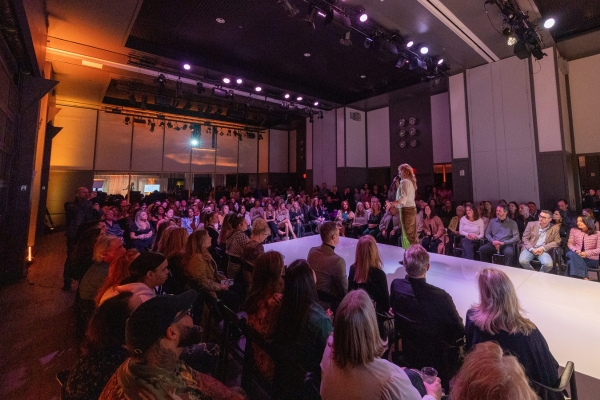
The runway surface changes the entire look of the show. White gloss runways feel clean and editorial, while black or matte finishes can create a moodier, more dramatic look.
Finish also affects photography. Reflection, shine, and texture can change how garments and lighting appear in photos and video.
Backdrops and Stage Surrounds
Backdrops help frame the show and reinforce the brand. That could mean drape, branded panels, scenic builds, minimalist stage walls, or digital screens.
The goal is to keep the background polished and intentional. Good backdrop design makes the runway feel complete, not unfinished.
Lighting Design
Lighting can make or break fashion show stages. Even runway lighting helps garments read clearly, while the wrong setup can flatten texture or distort color.
Front light, side light, spotlights, and ambient room lighting all play a role. The best lighting setups make the clothing look strong both live and on camera.
Entrance Point and Reveal
Where models enter matters more than most people think. A clean entrance creates a stronger first impression and helps each walk feel more intentional.
Drape, portals, scenic openings, and lighting cues can all improve the reveal. This is one of the easiest ways to make a show feel more polished.
Seating Layout
Seating affects visibility, energy, and how full the room feels. Front row placement, distance from the runway, and the number of rows all need to be planned carefully.
A good seating layout gives guests a clear view while keeping the show intimate and visually balanced. It should feel full, but never cramped.
Branding and Visual Identity
The stage should feel connected to the event brand. Signage, digital displays, step-and-repeat elements, and sponsor placement all help tie that together.
When branding is done well, it supports the show without distracting from it. The result feels cleaner, more professional, and more memorable.
Fashion Show Stage Design Ideas That Actually Work
Fashion show stages should look strong, photograph well, and support the flow of the event. The best designs are not just trendy. They work in real rooms, for real audiences, and for real production needs. See how this all comes together in real life by checking out our Born to Runway Asbury Park Event recap, where we handled stage design and event production for a live fashion show experience.
Minimalist White Runway Design
A white runway is one of the cleanest looks you can use. It feels modern, editorial, and highly photogenic.
This style works especially well when the goal is to keep the focus on the clothing. It gives the show a polished look without adding visual clutter.
Black Runway With Dramatic Lighting
A black runway creates a moodier, more cinematic feel. It is a strong option for luxury brands, evening events, or collections that need a little more edge.
When paired with the right lighting, it can make the room feel more dramatic and immersive. The key is making sure the garments still read clearly on camera.
Branded End Wall or Projection Backdrop
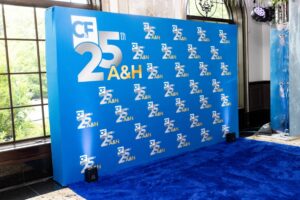
A branded end wall or projection backdrop helps anchor the runway and reinforce the event identity. It is also one of the easiest ways to improve sponsor visibility without overloading the stage.
This works well for fashion events that want stronger visual branding in photos, videos, and event recaps.
Soft Drape Entrance With Clean Stage Lines
A soft drape entrance adds elegance without making the stage feel too busy. It creates a cleaner reveal point and works especially well for bridal, charity, or more refined fashion events.
This style keeps the setup polished while still feeling warm and inviting.
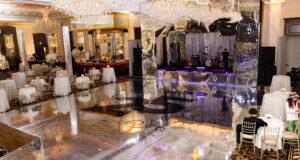
Full Room Transformation With Lighting and Scenic Elements
For bigger productions, a full room transformation can take the experience to another level. This may include uplighting, scenic pieces, custom backdrops, or a more immersive layout around the runway.
When it is done right, the entire room feels like part of the show, not just the stage itself.
How Fashion Show Stages Affect the Audience and the Brand
The Stage Shapes First Impressions
The stage is one of the first things guests notice. Within seconds, people decide whether the event feels polished, premium, creative, or rushed.
That first impression matters. It sets the tone before the first model even steps out.
The Stage Changes How the Collection Is Perceived
A strong stage supports the clothing. A weak one competes with it or makes it harder to appreciate.
Good staging helps the garments stand out, move well, and photograph cleanly. That changes how the entire collection is received.
The Stage Impacts Social Content and Event Photos
A well-designed stage leads to better photos, cleaner video, and stronger recap content. That matters during the event and long after it ends.
If the runway, lighting, and backdrop look sharp, the content from the show will usually look stronger too.
The Stage Helps Tell the Brand Story
The stage should match the brand behind the event. A modern collection may need a cleaner setup, while a more dramatic or edgy brand may need a bolder environment.
Whether the event is luxury, playful, polished, or editorial, the stage helps communicate that identity.
Behind the Scenes: What Goes Into Building Fashion Show Stages
Stage Planning and Layout Mapping
A lot happens before anything gets built. Stage planning starts with dimensions, guest count, entrance points, model path, and technical positions.
This part is what makes the final layout feel intentional instead of improvised.
Staging, Lighting, and AV Coordination
The runway platform is only one part of the setup. Lighting, screens, music cues, and microphones all need to work together.
If those pieces are not coordinated well, the show can feel disconnected even if the stage looks good.
Backstage and Model Flow
Backstage flow matters just as much as what guests see. Entry and exit paths, quick change space, holding areas, and traffic control all affect how smoothly the event runs.
A clean backstage setup helps reduce stress, delays, and bottlenecks during the show.
Rehearsal and Final Walkthrough
The final walkthrough is where everything gets checked. That includes pacing, sightlines, light levels, and how the room feels before guests arrive.
This is one of the most important parts of the process because it helps catch issues before the show starts. For a broader look at planning, staging, and producing a successful runway event, read our complete guide to fashion show production.
Frequently Asked Questions About Fashion Show Stage Design
What is the best layout for a fashion show stage?
The best layout depends on the venue, the audience size, and the type of collection. Straight, T-shaped, and U-shaped runways all work well in the right setting.
How wide should a fashion show runway be?
That depends on the show, but the runway should be wide enough for confident movement, turns, and posing without feeling cramped. Wider layouts usually feel more comfortable and more premium.
What color runway works best for fashion shows?
White is popular for a clean, editorial look, while black creates a moodier and more dramatic feel. The right choice depends on the garments, lighting, and overall event style.
Do fashion show stages need a backdrop?
Not always, but a backdrop usually helps. It can improve branding, photography, and the overall finished look of the stage.
How do you light a fashion show stage?
The goal is even, flattering lighting that helps fabrics, texture, and color read clearly. Runway lighting should work well both in person and on camera.
What is the difference between a runway and a stage?
The runway is the walking surface where the models present the collection. The stage is the larger event environment that may include the runway, backdrop, entrance, lighting, and scenic elements.
Can a fashion show stage be built in a hotel or event venue?
Yes. Hotel ballrooms, event spaces, galleries, and temporary venues are all common locations for fashion show stages. The design just needs to be built around the room.
How far should the audience sit from the runway?
Guests should be close enough to feel connected to the show but not so close that it affects movement or sightlines. The spacing should feel intentional and balanced.
Why Choose One of a Kind Events for a Fashion Show Stage?
At One Of A Kind Events, we approach fashion show staging as part of the full experience, not just a platform in the room. We think through the layout, the audience perspective, the lighting, the branding, and the overall flow so the final result feels polished, intentional, and production-ready from every angle. From runway layouts to branded backdrops and full room transformations, our stage design team creates environments built to elevate the entire event.
Final Thoughts on Fashion Show Stages
Great fashion show stages are intentional, not improvised. The best designs balance visibility, energy, branding, and production flow in a way that makes the show feel elevated from start to finish.
When the stage is designed well, the collection looks better, the room feels stronger, and the entire event becomes more memorable. If you are planning a fashion event and want a runway environment that looks polished and works in real life, explore One Of A Kind Events’ fashion show and event production services.