What’s the difference between an event designer and an event planner?
It’s one of the most common questions couples and corporate clients ask — and for good reason. You’ll also hear terms like coordinator or venue manager thrown into the mix. It’s confusing. And hiring the wrong role can leave major gaps in your event.
Here’s the truth: they are not the same job.
An event planner focuses on logistics. An event designer focuses on visuals and experience. Both are important, but they serve very different purposes.
If you’re planning a wedding or corporate event in New Jersey, understanding this difference will help you hire the right team — and avoid unnecessary stress. At One Of A Kind Events, we handle event design in-house, which means your vision and execution stay aligned from start to finish.
Let’s break it down clearly.
What is an Event Planner?
The Logistics-Focused Professional
An event planner is the operational backbone of your event.
They manage the structure, schedule, and moving parts that keep everything running smoothly behind the scenes.
Their responsibilities typically include:
- Creating and managing timelines
- Coordinating vendors
- Tracking budgets
- Reviewing contracts
- Organizing rehearsal details
- Overseeing day-of execution
If you think of your event like a production, the planner is the operations manager making sure everyone shows up on time and knows what they’re doing.
They’re focused on flow, communication, and preventing problems before they happen.
What Planners Are Responsible For on Event Day
On the day of your event, a planner becomes the central point of coordination.
They handle:
- Vendor arrival timing and setup schedules
- Last-minute troubleshooting
- Keeping the event on schedule
- Acting as a liaison between vendors and the client
For example:
If your florist is running late, your planner handles it. If the caterer needs 10 extra minutes before doors open, your planner adjusts the timeline. If a family member is missing before the ceremony starts, your planner tracks them down.
Their goal is simple: you shouldn’t feel the stress.
Planners are there to protect the timeline and keep the logistics invisible to you and your guests.
What is an Event Designer?
The Creative Visionary
An event designer is responsible for how your event looks and feels.
They shape the visual story.
Their focus includes:
- Theme development
- Color palette selection
- Layout design
- Décor concept creation
- Floral direction
- Branding integration
They think about atmosphere, mood, guest experience, and how the space communicates your vision.
If the planner builds the structure, the designer builds the identity.
Want to see how our concepts translate into real, buildable environments? Explore an actual event design plan below to see layouts, visual direction, and how the full vision comes together.
What Designers Actually Transform
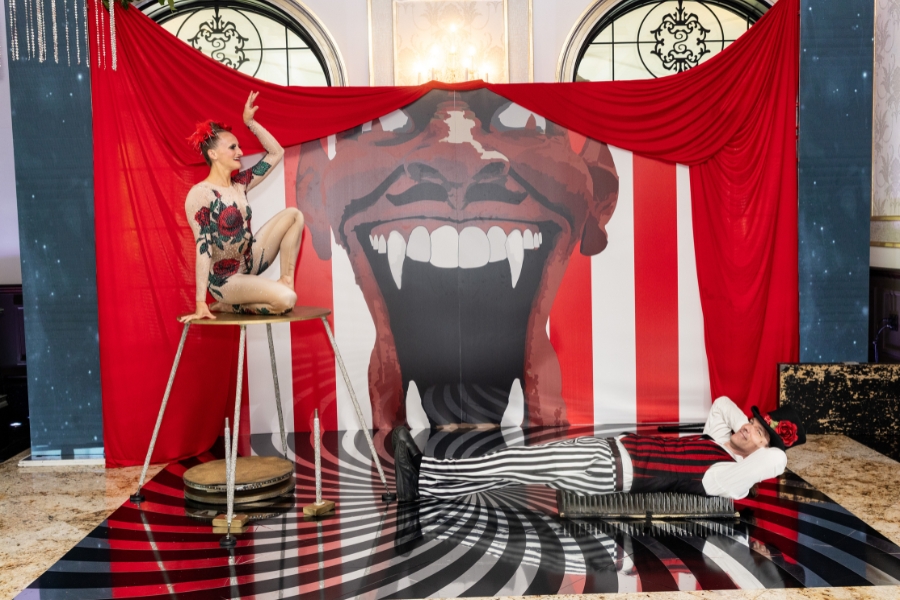
Event designers don’t just “pick decorations.” They transform space.
They influence elements like:
- Backdrops
- Staging visuals
- Lighting atmosphere
- Dance floor design
- Lounge builds
- Key visual focal points
They decide how the room flows visually. Where attention is drawn. How colors interact. How lighting enhances emotion. How branding feels intentional instead of forced.
One important clarification: designers usually do not handle logistics.
They’re not managing vendor contracts, tracking budgets, or coordinating rehearsal details. Their job is creative direction and visual execution.
When done right, design doesn’t just decorate a room — it creates an experience.
Event Designer vs Event Planner — Side-by-Side Comparison
Let’s simplify it.
Planner Focus:
- Structure
- Budget
- Vendor communication
- Timeline
Planners care about what happens, when it happens, and who’s responsible for it.
Designer Focus:
- Aesthetic
- Visual experience
- Spatial storytelling
- Guest perception
Designers care about how it looks, how it feels, and how guests experience the space.
The Clear Distinction: Flow vs Feel
- A planner protects the flow of your event.
- A designer shapes the feel of your event.
One manages movement and logistics.
The other builds atmosphere and emotion.
You need both structure and style. The magic happens when they work together.
Can One Professional Do Both?
Yes — but it depends on the professional.
Planner-First Professionals
Some planners offer light design services. They may help choose colors or décor vendors, but their strength is still logistics. Their priority is organization and execution.
Design is often secondary.
Designer-First Professionals
Some designers understand flow but don’t manage contracts, budgets, or detailed timelines. Their expertise is visual transformation.
Logistics may not be their focus.
Firms That Integrate Both
There are companies that integrate planning, design, and production under one roof.
This is where things get powerful.
When design and execution are aligned:
- There’s less miscommunication
- Execution matches the original vision
- Design consistency is stronger
- Adjustments happen faster
In New Jersey especially, events often involve strict venue rules, union labor, hotel timelines, and multiple vendor layers. When design and production teams collaborate internally, the process becomes smoother.
At One Of A Kind Events, design and production are handled in-house, which keeps the creative vision aligned with real-world execution.
Do You Need Both for Your Event?
It depends on the type of event.
Weddings
Most weddings benefit from both.
Weddings are emotional, detailed, and timeline-sensitive. You need someone managing logistics — and someone shaping the visual story.
Corporate Events
Corporate events vary.
Brand-heavy launches, galas, and activations require strong design direction. The space needs to communicate brand identity clearly.
Large conferences or multi-day summits demand strong logistical leadership. Timelines, AV, speakers, and vendor coordination must be airtight.
Often, corporate events need both — especially at scale.
Smaller Events
For smaller celebrations, you may not need full-service planning and design.
A partial planner or design-only support might be enough. It comes down to complexity, budget, and expectations.
How Event Designers and Planners Work Together
When both roles are involved, collaboration is key.
The planner shares:
- Timeline requirements
- Budget constraints
- Vendor logistics
- Venue limitations
The designer builds within those parameters:
- Layout adjustments
- Visual hierarchy
- Lighting strategy
- Focal points
Then production teams execute everything together.
When this collaboration happens seamlessly — especially within one company — execution becomes tighter and more consistent.
At One Of A Kind Events, our in-house design-driven production model keeps creative direction and technical execution aligned from start to finish.
Frequently Asked Questions About Event Design and Planning Differences
1. What’s The Difference Between Event Design and Event Planning?
Event planning focuses on logistics like timelines, vendors, and budgets. Event design focuses on the visual experience — layout, décor, lighting, and how the space feels. One manages flow, the other shapes atmosphere.
2. Do I Need Both an Event Planner and an Event Designer?
For larger or more detailed events, yes. A planner ensures everything runs smoothly, while a designer transforms the space. Together, they create a seamless and visually cohesive experience.
3. Can One Company Handle Both Design and Production?
Yes. Some firms integrate design and production in-house, which reduces miscommunication and keeps the creative vision aligned with execution.
4. Does a Venue Manager Replace a Planner or Designer?
No. A venue manager oversees venue operations, staffing, and policies. They do not manage your full timeline, vendor coordination, or visual design direction.
5. How Far in Advance Should I Hire an Event Designer?
For weddings and large corporate events, it’s ideal to begin design planning 6–12 months in advance to allow time for concept development, sourcing, and production.
Final Thoughts: Strategy and Style Work Best Together
An event planner keeps everything on track. An event designer makes everything unforgettable. When logistics and visuals are aligned, your event doesn’t just run smoothly — it feels intentional, immersive, and elevated from start to finish.
If you’re planning a wedding or corporate event in New Jersey and want a space that’s designed with purpose, explore our event design services at One Of A Kind Events. Let’s create something that looks as powerful as it feels.