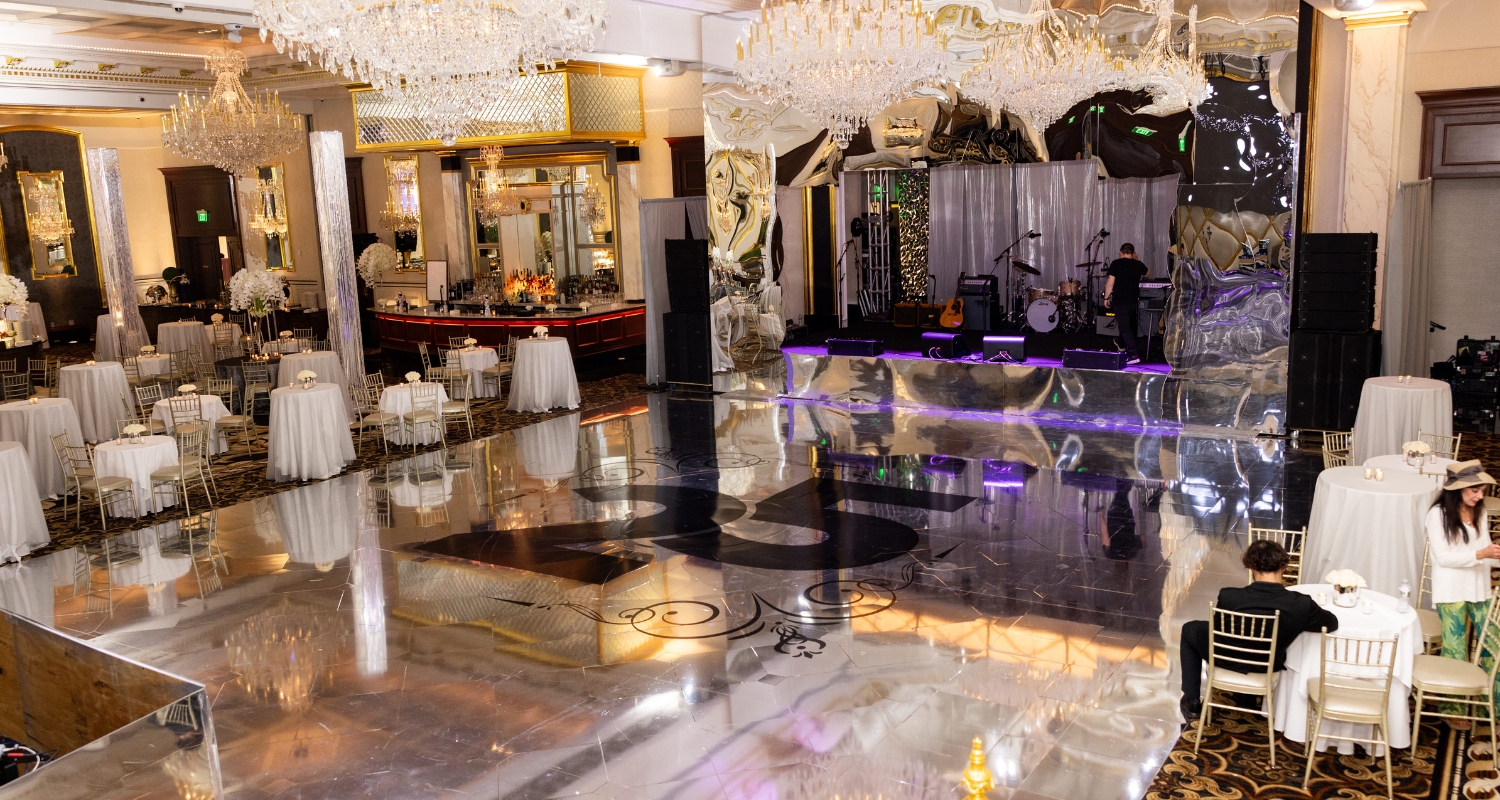
Questions to ask event design company matter more than most people realize—because event design is not just décor. It impacts layout, guest flow, lighting, energy, brand perception, and how people actually experience your event.
The company you choose will determine whether your event feels intentional and cohesive—or like a collection of rented pieces placed around a room.
At One Of A Kind Events, event design isn’t an add-on. It’s where everything begins. With in-house production, fabrication, lighting, staging, and execution under one roof, the design doesn’t just look good on paper—it gets built exactly as planned.
Before hiring any event design company, ask these questions. The answers will tell you everything you need to know.
Vision, Process & Creative Direction
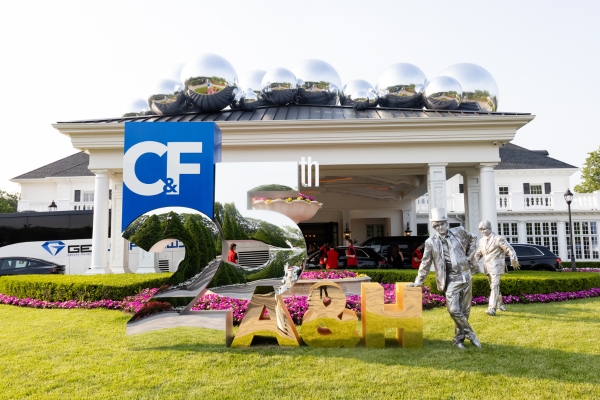
These are the early-stage questions that separate surface-level decorators from true design professionals.
1. How do you help me figure out what I actually want?
Not everyone walks in with a clear theme—and that’s normal. A strong event design company should guide you through discovery, ask strategic questions about goals, audience, venue, and overall vision, and help shape direction with intention. If they’re only asking what colors you like, that’s not a process.
2. What makes your event designs different from other companies?
This question reveals whether they rent inventory or create environments. Listen for answers about customization, layout strategy, in-house production, and execution—not just style trends.
3. What exactly does event design include?
Event design should cover layout planning, spatial flow, lighting direction, staging placement, focal points, and overall cohesion. It’s about how everything works together—not just how something looks in photos.
4. What doesn’t event design include?
Clarity matters. Does design include production? Fabrication? On-site oversight? Vendor coordination? Understanding the scope prevents surprises later.
5. Will I see layouts, renderings, or mood boards before production starts?
You shouldn’t be guessing what your event will look like. Professional event design includes visual direction—scaled layouts, concept boards, or design plans—so you can see the vision before it’s built.
6. Do you create a design plan or PDF we can review before moving forward?
A structured design plan shows the company works methodically. It demonstrates that placement decisions, spacing, and visual intent are thought through—not improvised on event day. Here’s a real event design plan we created for a past client so you can see exactly how we structure and present our concepts.
7. Can we see examples of past events you’ve designed?
Photos are helpful. Complete design examples are better. You want proof that they’ve created cohesive environments across multiple venues—not just styled one corner of a room.
8. Can you design around an existing venue layout?
Most venues come with constraints—columns, ceiling height limits, fixed bars, or unusual floor plans. A strong design company works intelligently within those limitations instead of ignoring them.
9. Have you worked at our venue before?
Venue familiarity is helpful, but process matters more. What you want to hear is that they conduct walkthroughs, review diagrams, and design based on real spatial conditions—not assumptions.
10. How do you determine where staging, lounge areas, dance floors, and activations go?
This is where real design thinking shows up. Placement decisions should be based on guest flow, sightlines, focal hierarchy, photography angles, and energy movement. If the answer sounds random, that’s a red flag. Strategic layout is what makes an event feel immersive instead of cramped or disconnected.
Questions to ask event design company shouldn’t stop at layout and mood boards—because customization and execution are where you really separate decorators from true design-build teams.
Customization, Fabrication & Brand Integration
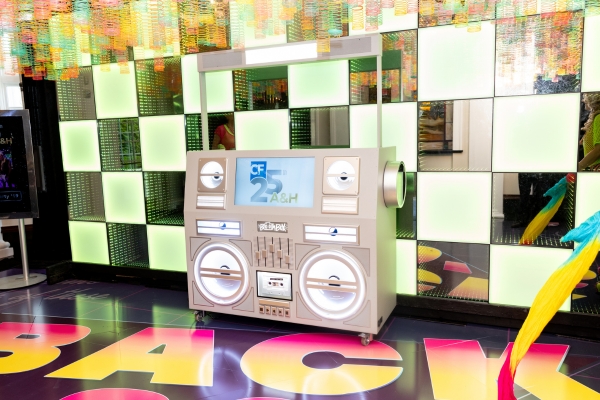
This is where you find out if a company is simply renting pieces—or actually building environments.
11. Do you fabricate custom elements in-house?
If everything is outsourced, you’re relying on multiple vendors to interpret one vision. In-house fabrication means tighter control, better quality, and fewer surprises. It also means the team designing the concept understands exactly how it will be built.
12. What elements can be fully customized?
Is it just signage? Or can they customize DJ booths, stages, backdrops, dance floors, lounges, and scenic structures? A true event design company should be able to modify scale, finishes, colors, and structural details—not just swap out linens.
13. What’s the difference between renting décor and building something custom?
Renting fills space. Custom builds define it. Rental pieces are often standardized and widely used. Custom fabrication allows the event to feel intentional, branded, and unique to your venue. The difference is subtle—but guests feel it immediately.
14. How do you handle structural or scenic builds?
Structural builds require planning, measurements, safety considerations, and proper installation. The right team should explain how they engineer scenic elements to function safely while still looking elevated and seamless.
15. Can you incorporate branding or logos into structural elements?
Branding shouldn’t look like an afterthought. Logos, messaging, and brand elements should be integrated into stages, backdrops, LED walls, and architectural features in a way that feels natural—not pasted on.
16. How do you ensure the design reflects our brand identity?
Good design isn’t just colors. It’s tone, energy, and positioning. The team should ask about audience perception, company values, and event goals—then translate that into spatial design decisions.
17. Can you seamlessly integrate our brand colors, messaging, and visuals?
Matching colors is one thing. Integrating brand visuals into lighting, print elements, digital displays, and scenic builds is another. Everything should feel aligned across physical and digital touchpoints.
18. How do you make the space feel cohesive from start to finish?
Cohesion comes from intentional repetition of materials, lighting tones, focal points, and design language. Without it, an event can feel like separate zones competing for attention.
19. Can you match our color palette exactly?
Color accuracy matters—especially for corporate and brand-driven events. Ask how they test lighting against fabric, vinyl, LED screens, and scenic elements to avoid mismatched tones.
20. How do you make sure the design photographs well?
Lighting angles, backdrop placement, ceiling treatments, and focal moments all impact photography. A strong event design company thinks about camera sightlines and social media moments as part of the layout—not as an afterthought.
Questions to ask an event design company get serious when you move past the concept phase and into execution—because this is where a lot of companies fall apart.
Production, Integration & Execution
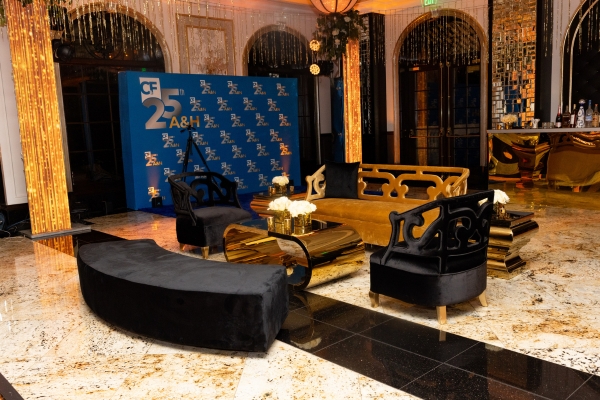
A design can look incredible in a proposal. What matters is whether it’s built exactly as promised.
21. Are design and production handled by the same team?
When design and production are separate companies, details get lost. The lighting team may not understand the layout intent. The staging vendor may not know the visual hierarchy. When it’s one integrated team, creative decisions and technical execution stay aligned.
22. How are lighting, staging, and LED elements integrated into the design?
Lighting isn’t decoration. It shapes mood, directs attention, and defines the space. Staging impacts sightlines. LED walls affect focal points. These elements shouldn’t be added at the end—they should be designed together from the beginning.
23. Who ensures everything aligns on event day?
There should be a clear answer. Someone must oversee layout accuracy, lighting programming, scenic placement, and overall design cohesion. If there’s no single point of responsibility, that’s a risk.
24. Who will actually be working on my event?
You want to know whether you’re meeting the sales team—or the people executing the build. Clarity here builds trust and prevents surprises.
25. Will the person I meet with be there on event day?
Continuity matters. When the person who helped shape the vision is present for execution, the event is far more likely to reflect the approved design.
26. Who is on-site overseeing the design execution?
Strong event design companies don’t disappear after the contract is signed. At One Of A Kind Events, owner Frankie Perez personally oversees execution to ensure every detail aligns with the plan. That level of leadership prevents miscommunication and shortcuts.
27. How do you ensure the final setup matches the approved design plan?
There should be a system—scaled layouts, install checklists, lighting plots, and final walkthroughs. Professional execution isn’t improvisation. It’s disciplined follow-through.
28. What happens if something needs adjustment on event day?
Things change. Timelines shift. Guest counts adjust. A solid team adapts without compromising the overall look and feel. Ask how they handle real-time changes while protecting the integrity of the design.
29. Do you handle full breakdown and strike?
Execution doesn’t end when the music stops. A professional design-build company manages breakdown safely, efficiently, and without leaving venue staff cleaning up someone else’s mess.
30. How do you coordinate with other vendors to ensure alignment?
Design doesn’t exist in isolation. DJs, planners, caterers, florists, and venue managers all impact the final result. The right company communicates proactively so nothing feels disconnected.
Why These Questions Matter
Event design is not Pinterest boards and color swatches. It’s layout, lighting, fabrication, and execution working together in real space.
When design and production aren’t aligned, events feel generic. Pieces don’t connect. Energy feels off. Small miscommunications turn into visible inconsistencies.
Asking the right questions protects you from hiring a company that only sells concepts. It ensures you’re working with a team that can actually build what they promise—and execute it cleanly.
Conclusion
A strong event design company should confidently answer every one of these questions without hesitation.
At One Of A Kind Events, everything is built around alignment—from in-house design and fabrication to integrated production and owner-level oversight. That structure allows us to create fully customized environments that translate from concept to reality without compromise.
If you’re planning an event in New Jersey and want a design team that handles concept through execution, schedule a consultation with our event design team.