

Branded backdrops and LED video walls can both become major visual elements within an event, but they do very different jobs.
A branded backdrop creates a fixed physical environment. An LED video wall creates a digital surface that can change throughout the event. One may be used to establish a consistent brand presence, while the other can move between presentations, videos, sponsor graphics, live camera feeds, and other content.
The right approach depends on what needs to be displayed, how the space is being used, how often the visuals need to change, and how everything fits into the overall event design.
One Of A Kind Events provides both backdrop rentals and LED video wall rentals in New Jersey for corporate events, weddings, brand activations, and other productions. Our team can help determine how each element should fit into the larger space and production plan.
What is a Branded Event Backdrop?
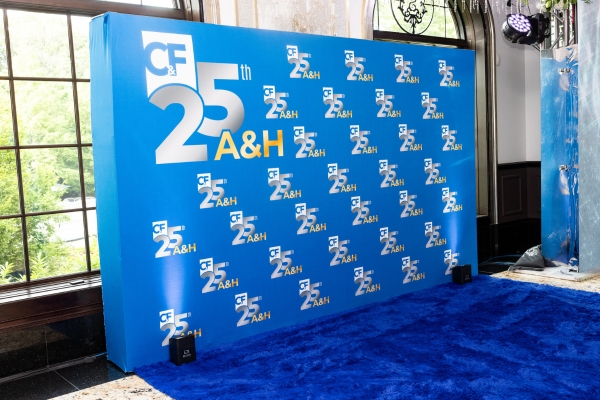
A branded event backdrop is a physical structure or surface designed to create a specific visual environment.
It can be printed, wrapped, fabricated, dimensional, scenic, or built around a completely custom structure. Some backdrops are relatively simple branded panels, while others become full scenic installations with custom shapes, finishes, logos, lighting, and architectural details.
The important distinction is that the design is physically built into the event space rather than displayed digitally.
Common Uses for Branded Backdrops
Branded backdrops can serve a number of different purposes depending on the event.
Common applications include:
- Step and repeat areas
- Photo environments
- Speaker backdrops
- Branded lounges
- Product displays
- Sponsor walls
- Entrance features
- Scenic stage backgrounds
They work particularly well when the event needs one visual identity to remain present throughout the experience.
A sponsor wall, for example, may need to look exactly the same for every photo taken during the night. A branded lounge may use a custom scenic wall to establish the identity of the space without needing the visuals to change every few minutes. Browse backdrop design ideas for inspiration on custom scenic, branded, and photo focused event setups.
What a Backdrop Adds to the Space
A backdrop can do much more than display a logo.
It can help hide an unattractive venue wall, create depth behind a stage, visually define one area from another, or turn an otherwise empty part of the room into a deliberate feature.
Custom scenic backdrops can also introduce texture, dimension, shapes, and physical materials that a screen cannot recreate in the same way.
For a photo area, the backdrop becomes part of the guest experience. On a stage, it can help frame speakers, performers, or displays. In a branded lounge, it can become part of the architecture of the environment.
That physical presence is often the reason a backdrop is used in the first place.
What is an LED Video Wall?
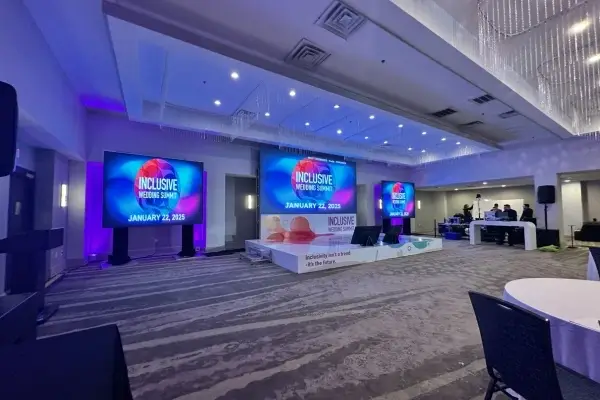
An LED video wall is a digital display built from individual LED panels that connect together to create a larger screen.
Unlike a physical backdrop, the screen content can change throughout the event.
That makes LED walls especially useful when the visual needs of the event change from one part of the program to another.
The screen may begin with branded graphics during guest arrival, transition into presentation content, show videos or animations, display speaker information, and later switch to sponsor graphics or entertainment visuals. Learn how video walls work and what goes into using them for live events.
Common Uses for LED Video Walls
LED video walls are commonly used for:
- Presentations
- Videos
- Motion graphics
- Speaker names
- Sponsor rotations
- Event branding
- Live camera feeds
- Awards graphics
- Product visuals
- Countdown and transition content
The main benefit is not simply having a large screen.
It is having a visual surface that can serve several different purposes throughout the same event.
When Dynamic Content Matters
Dynamic content becomes especially important during events with multiple speakers, presentations, videos, sponsors, or program segments.
At a conference, the same LED wall might display the event logo between sessions, show a presentation during a keynote, switch to speaker names during a panel, and then display sponsor content during a break.
At an awards program, it may show nominee graphics, winner announcements, videos, live camera feeds, and branded transitions.
The physical display stays in the same place, but what the audience sees can change continuously.
When a Branded Backdrop Fits the Event
A branded backdrop makes sense when the physical environment itself needs to carry the visual identity of the event.
It is particularly useful when consistency, photography, or scenic design matters more than changing content.
When the Branding Needs to Stay Consistent
Some events need one visual identity to remain visible from beginning to end.
That might include a company logo, anniversary branding, sponsor arrangement, campaign identity, or a custom scenic concept.
A physical backdrop provides that consistency.
Guests do not have to wait for a logo to rotate back onto a screen, and photographers do not have to worry about what content happens to be displayed when a picture is taken.
The branding is always there.
When Photography Is a Major Priority
Backdrops are especially useful for spaces designed around photography.
That includes step and repeats, press areas, red carpets, branded lounges, guest photo moments, and social media installations.
A physical backdrop gives photographers a predictable background every time.
It can also be designed specifically around camera framing, logo placement, guest positioning, and the overall look the brand wants to create in photos.
For events where hundreds of guest photos may be taken in the same location, that consistency can be important.
When the Backdrop is Part of the Physical Design
Sometimes the goal is not simply to display branding. The goal is to physically transform the room.
That may require dimensional lettering, layered panels, curved walls, custom shapes, textured surfaces, architectural elements, or other scenic details.
In those cases, the backdrop becomes part of the event design itself.
It may frame the stage, create an entrance, define a lounge, or turn a blank ballroom wall into something completely different.
That is where custom fabrication and scenic backdrop design become especially useful.
When an LED Wall Fits the Event
An LED wall becomes more useful when the event needs visual flexibility.
Instead of committing to one image or physical treatment for the entire program, the screen can adapt as the event progresses.
When Content Needs to Change
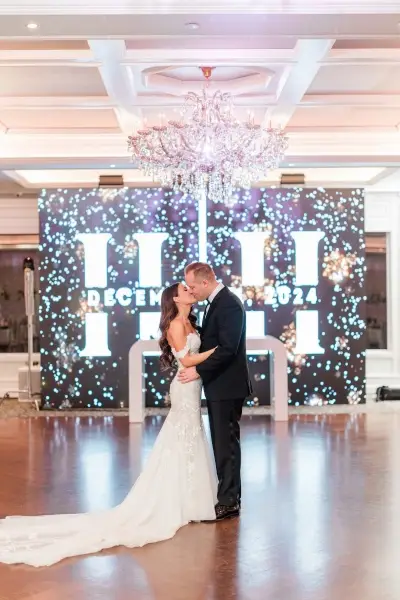
Some events simply have too much changing information for a fixed backdrop to handle.
An LED wall can display one graphic during guest arrival, switch to a presentation, play a video, introduce a speaker, rotate sponsor logos, and then transition into entertainment visuals later in the evening.
That flexibility is useful for events with structured programming and several different visual needs.
Rather than physically changing the stage between segments, the content can change almost instantly. See how LED video wall content can be planned for presentations, branding, sponsor graphics, and more.
When Presentations and Video Are Central
For conferences, corporate meetings, product launches, and awards programs, the screen is often part of the actual presentation system.
Speakers may need slides.
A company may need to show a product video.
An awards program may need nominee graphics.
A product launch may use animation and video to reveal something new.
In these situations, the LED wall is not just decoration behind the stage. It is actively helping deliver the content of the event.
When the Audience Needs to See More Than Branding
Large audiences often need more visual information than a physical backdrop can provide.
Presentation slides, charts, videos, speaker names, live camera feeds, and detailed graphics may all need to be clearly visible from across the room.
An LED wall can support that information while still carrying the event’s branding when needed.
That is a different role from a physical backdrop.
The backdrop shapes the environment. The LED wall gives the event a flexible visual platform.
Using a Branded Backdrop and LED Wall Together
A branded backdrop and LED wall do not have to compete for the same role. In many event designs, they work better together.
The physical elements can establish the look of the space while the LED wall handles content that needs to change throughout the program. This gives the event a consistent visual identity without limiting what can appear on screen.
Scenic Surrounds Around LED Walls
An LED wall can be built into a larger scenic environment instead of simply standing on its own.
Custom panels, fabricated structures, dimensional branding, and other backdrop elements can surround the screen and visually connect it to the rest of the stage.
This is especially useful when the LED wall needs to change between presentations, videos, speakers, and sponsor content while the event’s main branding remains visible around it.
The screen handles the changing information. The scenic structure keeps the overall environment consistent.
Physical Branding With Digital Content
There are several simple ways to combine the two.
A fabricated company logo can sit beside an LED wall. Branded scenic panels can frame a central display. A custom stage surround can carry the company’s colors and identity while the screen shows presentations, videos, live camera feeds, and motion graphics.
This approach can make the entire stage feel more intentional.
Instead of placing a large screen against an empty ballroom wall, the LED wall becomes one part of a complete event environment.
What Should Be Considered Before Choosing Either?
The decision should start with what the event actually needs to accomplish visually.
A production team can then determine whether that calls for a backdrop, LED wall, or combination of both.
Event Content
Start with the content.
If the event mainly needs one logo, sponsor arrangement, campaign design, or consistent visual treatment, a physical backdrop may be enough.
If the visuals need to change throughout the program, an LED wall becomes more useful.
Events that include presentations, videos, changing speakers, live feeds, or rotating sponsor content naturally require more flexibility from the display.
Venue and Available Space
The venue can also affect what is practical.
Important details include:
- Wall and stage dimensions
- Ceiling height
- Viewing distance
- Rigging or ground support
- Venue access
- Available depth
- Power
- Audience sightlines
A design may look simple in a rendering but still need significant space behind or around it for support, equipment, cabling, and installation.
These details should be considered before the final design is approved.
Photography and Camera Use
If photography is a major part of the event, the visual environment should be designed with cameras in mind.
A physical backdrop can be created specifically around guest positioning, logo placement, and photo framing.
LED walls can also look great on camera, but brightness, exposure, screen content, and camera placement need to be considered.
The screen should not overpower the people standing in front of it or create problems for photographers and video crews.
Installation and Production Requirements
Backdrops and LED walls involve different production requirements.
A physical backdrop may require scenic fabrication, hardware, support structures, transportation, assembly, and finishing onsite.
An LED wall requires panels, processing equipment, power, signal distribution, support or rigging, cabling, and content playback.
When the two are combined, those systems have to be planned together.
That is why these decisions are better made with the production team rather than based only on how something looks in a reference image.
Conclusion
Branded backdrops and LED walls solve different visual needs within an event. A backdrop creates a consistent physical environment, while an LED wall provides a flexible digital surface that can change throughout the program. Many events use one or the other, while larger productions often integrate both into the same stage or branded environment.
Planning the visual design for an upcoming event? Explore One Of A Kind Events’ backdrop rentals in New Jersey and LED video wall rentals to create the right combination of physical branding, scenic design, and digital content for your space.