

The end of cocktail hour can feel smooth and intentional, or it can turn into a few awkward minutes where nobody is quite sure what happens next.
Some guests are finishing drinks. Others are talking with friends, checking the seating chart, or waiting for someone to tell them where to go.
A good transition gives everyone clear direction without making the evening feel rushed.
Timing, DJ or MC announcements, music, lighting, venue staff, signage, and the reception timeline all play a role. When those pieces are coordinated, guests move naturally into the next part of the wedding.
Planning the full flow of your reception? Our wedding production services in New Jersey bring entertainment, lighting, sound, staging, and event design together so each part of the night transitions naturally into the next.
How Long Should Cocktail Hour Last?
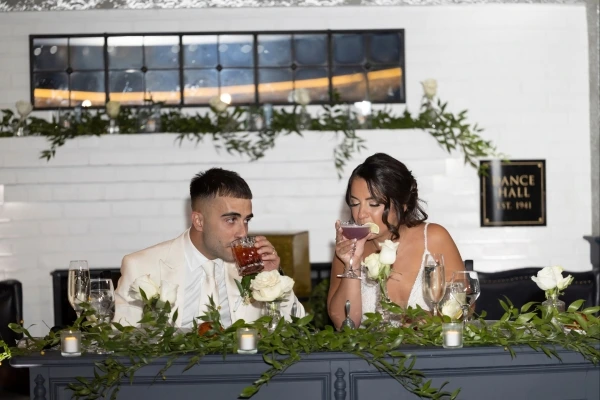
Cocktail hour commonly lasts around 60 to 90 minutes.
The exact timing depends on the wedding.
Things that can affect the length include:
- Guest count
- Bar setup
- Food service
- Wedding photos
- Whether the reception room is ready
- Whether guests need to move into another space
A smaller wedding may move through cocktail hour more quickly, while a larger group may need more time to get drinks, eat, mingle, and find seating information.
The bigger concern is not hitting an exact number of minutes. It is making sure guests are ready to move when the reception is ready to begin.
Start Preparing Guests Before Cocktail Hour Ends
Do not wait until the exact end of cocktail hour to suddenly tell everyone they need to move.
Giving guests a little notice creates a much smoother transition.
Give Guests a Warning
A warning about 10 to 15 minutes before the reception begins gives guests time to wrap up what they are doing.
They can:
- Finish conversations
- Get a final drink
- Find escort cards
- Use the restroom
- Start moving toward the reception room
Guests feel less rushed because they know what is coming next.
Coordinate With the Bar
The bar can easily become a bottleneck at the end of cocktail hour.
Depending on the venue, bartenders may let guests know that cocktail hour is wrapping up or that drinks can be brought into the reception space.
The goal is to avoid having a large group still standing at the bar while everyone else is trying to move into the ballroom.
Use the DJ or MC to Guide the Transition
Your wedding DJ or MC can make the transition much easier by giving guests clear instructions at the right time.
A short announcement might let guests know that:
- Cocktail hour is wrapping up
- The reception room is opening
- They can begin finding their seats
- They can bring their drinks with them, if permitted
- The grand entrance will begin shortly
The announcement should feel helpful, not formal or overly complicated.
Keep the Announcement Simple
Guests do not need a long explanation.
A few clear sentences are usually enough to tell them where to go and what will happen next.
Avoid Repeating Announcements Too Many Times
Constant announcements can make the transition feel forced.
One or two well-timed messages are usually more effective than interrupting guests every few minutes.
Use Music to Signal That the Evening Is Changing
Music can help guests feel the transition before the reception even officially begins.
Change the Energy Gradually
Cocktail hour music is usually relaxed enough for guests to talk comfortably.
As the reception approaches, the DJ can gradually introduce music with a little more energy or familiarity.
It creates a subtle feeling that the evening is moving forward.
Avoid an Abrupt Stop
The music should not simply disappear while everyone walks into the next room.
Silence can make the transition feel awkward.
Keeping music going helps the movement between spaces feel like part of the event rather than a break between two separate parts of the wedding.
This is also why music timing matters at weddings. The right song at the right moment can make transitions feel much more natural.
Use Lighting as a Visual Cue
Lighting can also help signal that one part of the wedding is ending and another is beginning.
Change the Cocktail Hour Atmosphere
A subtle shift in lighting can reinforce the idea that cocktail hour is wrapping up.
The change does not need to be dramatic. It simply gives guests another visual cue that the evening is moving into the reception.
Reveal the Reception Space
If the ballroom has been closed during cocktail hour, opening the doors can become a moment of its own.
Guests walk into a finished reception space with the lighting, music, tables, and production elements already set.
That reveal may include:
- Uplighting
- Stage lighting
- LED walls
- Dance floor lighting
- Scenic elements
Instead of walking into a room that still feels like it is being prepared, guests see the reception exactly as it is meant to look.
Make It Obvious Where Guests Should Go
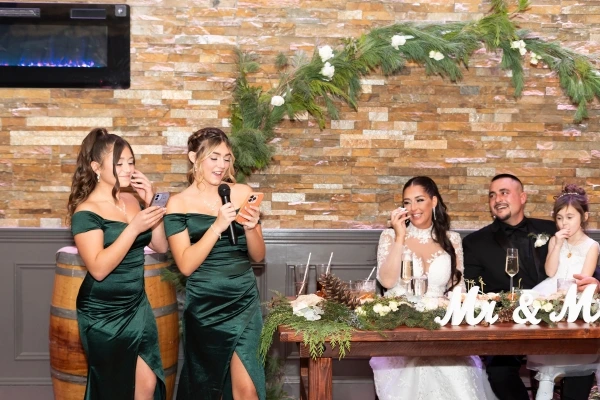
Guests should never have to guess which room they are supposed to enter.
Clear direction can come from:
- Signage
- Venue staff
- Open doors
- Escort cards
- Seating charts
- Clear paths between spaces
At a larger venue, staff positioned near hallways, staircases, or room entrances can be especially helpful.
The easier the route is to understand, the faster guests will move into the reception without feeling hurried.
Seat Guests Before the Grand Entrance
Guests should generally be inside the reception room and mostly settled before introductions begin.
That helps:
- Keep guests from walking around during entrances
- Keep the entrance path clear
- Give photographers cleaner sightlines
- Let the wedding MC control the room’s attention
- Make the wedding party entrance feel more intentional
Starting introductions while dozens of guests are still looking for their tables usually creates unnecessary distractions.
Give everyone enough time to enter, find their seat, and turn their attention toward the next part of the reception.
Coordinate the Reception Room Reveal
If guests have not seen the completed ballroom yet, the move from cocktail hour into the reception can double as a room reveal.
That first impression can become one of the most visually memorable moments of the evening.
Have the Room Ready Before Doors Open
Before guests enter, the reception room should already look finished.
That means lighting should be set, screens should be ready, stage elements should be in place, and tables should be prepared.
The room should feel like guests are arriving at the reception, not walking into the final few minutes of setup.
Decide What Guests See First
Think about the main focal point guests will notice when they enter.
That could be the:
- Dance floor
- Stage
- LED wall
- Sweetheart table
- DJ booth
- Floral installation
- Scenic backdrop
The strongest event designs give guests an obvious visual focal point when they first walk into the room.
Use Music to Support the Reveal
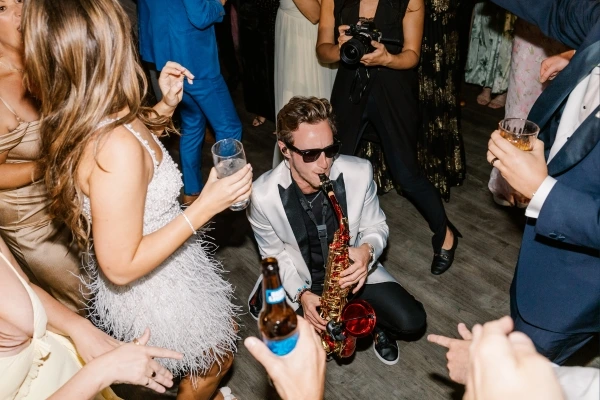
Music also affects how the room reveal feels.
Something elegant and relaxed can create a completely different impression from an energetic, upbeat track.
The music should support the atmosphere you want guests to feel when they see the finished room for the first time.
Keep Guests Moving Once the Doors Open
Getting guests through the door is only part of the transition.
You also want them to continue moving toward their tables instead of creating a crowd at the entrance.
Make table assignments easy to find, keep major walkways open, and avoid placing anything directly inside the doorway that encourages guests to stop.
Staff can also position themselves farther into the room so guests continue moving rather than clustering near the entrance.
Once everyone is inside, give them enough time to sit and settle before the next announcement.
Transition Into the Grand Entrance
Once most guests are seated, the reception can move into the first major formal moment.
A typical sequence might look like:
- Guests enter and find their seats
- Background music continues
- The planner or venue confirms the room is ready
- The DJ or MC gets everyone’s attention
- The wedding party is introduced
- The couple enters
- The first dance, welcome, or toast follows
The exact order can change from one wedding to another.
What matters is that everyone involved knows the sequence before it begins.
Who is Responsible for the Cocktail Hour Transition?
Moving guests from cocktail hour into the reception is usually a team effort.
DJ or MC
The DJ or MC handles announcements, music cues, and getting guests’ attention when it is time to move.
Wedding Planner or Coordinator
The planner or coordinator tracks the timeline and makes sure the venue and vendors are ready before guests are directed into the reception space.
Venue Team
Venue staff may handle doors, seating, bar service, room readiness, and physically directing guests between spaces.
Production Team
When the wedding includes lighting, screens, special effects, audio, or other production elements, the production team makes sure those pieces are ready and properly cued.
The smoothest transitions happen when everyone is working from the same timeline.
What If Cocktail Hour and the Reception Are in the Same Room?
When multiple parts of the wedding use the same space, the transition can require more planning.
The room may need to be changed between the ceremony, cocktail hour, and reception.
That could involve:
- Moving tables or chairs
- Changing lighting
- Resetting entertainment areas
- Completing a room flip
- Giving staff enough setup time
- Keeping guests occupied while the space changes
The timeline should give the venue and production team enough time to complete the reset without making guests feel like they are waiting around.
What If Cocktail Hour and the Reception Are in Separate Spaces?
Separate spaces can make the transition easier because the reception room can often be prepared while guests are enjoying cocktail hour.
You still need clear direction.
Give guests a cue when it is time to move, make the path obvious, and avoid opening the reception room before it is completely ready.
Once the doors open, allow enough time for guests to enter and find their seats before beginning formalities.
Common Cocktail Hour Transition Mistakes
Waiting Until the Last Second to Announce It
A sudden announcement can make guests feel rushed.
Give them a little notice so they can finish what they are doing and begin moving naturally.
Starting the Grand Entrance Before Guests Are Seated
If guests are still walking around or searching for tables, introductions lose some of their impact.
Let the room settle first.
Letting the Bar Create a Bottleneck
Guests waiting for drinks may stay behind while everyone else moves into the reception.
Coordinate the timing with the venue and bar team.
Leaving Guests in Silence
Music should continue through the transition.
Silence can make the movement between spaces feel awkward or unfinished.
Opening the Reception Room Before It Is Ready
Guests immediately notice unfinished lighting, screens, décor, tables, or production equipment.
Wait until the room is ready before opening the doors.
Starting Formalities Too Quickly
Guests need a moment to sit down, get comfortable, and focus.
You do not need to start the grand entrance the second the last guest walks through the door.
Frequently Asked Questions About Cocktail Hour to Reception Transitions
How Long Should Cocktail Hour Last?
Cocktail hour commonly lasts about 60 to 90 minutes. The exact length depends on guest count, photos, food service, bar setup, and the venue timeline.
How Do You Tell Guests Cocktail Hour Is Ending?
A DJ, MC, planner, or venue staff member can make a short announcement and direct guests toward the reception room.
Should Guests Be Seated Before the Grand Entrance?
Usually, yes. Seating guests first keeps the room focused and prevents people from walking around during introductions.
Should the Music Change When Cocktail Hour Ends?
It can. A gradual change in music can help signal that the event is moving into a new part of the evening.
Can Lighting Help Transition Guests Into the Reception?
Yes. Lighting changes and a finished reception room reveal can make the transition feel much more intentional.
Who Coordinates the Transition From Cocktail Hour to the Reception?
Usually the planner or venue coordinator works with the DJ or MC, venue staff, and production team to keep the timing coordinated.
Make the Transition Feel Like Part of the Wedding
Guests should not feel like they are simply being moved from one room to another.
The transition should feel like the natural next chapter of the evening.
Clear announcements tell guests where to go. Music maintains the atmosphere. Lighting changes the mood. Venue staff keeps people moving. Then the DJ or MC can bring everyone’s attention together for the grand entrance and start of the reception.
One Of A Kind Events provides wedding production services in New Jersey that bring together DJs, MCs, sound, lighting, staging, LED walls, and event design. We help plan the transitions as carefully as the big moments so your reception feels connected from cocktail hour through the final song.