Most clients have a clear feeling for what they want their event to be, but picturing the finished space is much harder. You may know the event should feel modern, dramatic, elegant, branded, or high-energy, but it can be difficult to imagine how the stage, lighting, furniture, screens, signage, and décor will all work together in the room.
That is where renderings become so useful. Renderings bridge the gap between imagination and reality by showing what the event can look like before anything is built, installed, or produced.
For conferences, product launches, galas, trade shows, brand activations, weddings, and corporate events, renderings help everyone see the same vision early in the planning process. Clients, designers, vendors, executives, sponsors, and production teams can all look at the same visual concept and understand the direction before setup begins.
One Of A Kind Events can create custom event designs and visual concepts that help clients confidently plan their event before the production comes to life.
Quick Answer: Why Are Renderings Important?
Renderings are important because they help event teams:
- Visualize the event before setup begins
- Align everyone on the design
- Refine layouts before production
- Improve branding decisions
- Help secure stakeholder approval
- Identify potential design issues early
- Improve lighting and staging plans
- Support marketing before the event
- Create a smoother production process
- Reduce costly last-minute changes
What is an Event Rendering?
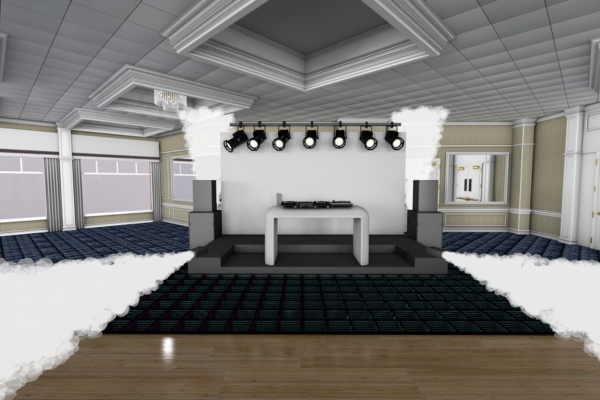
An event rendering is a visual preview of what an event space is expected to look like. It can show the stage, backdrop, lighting, furniture, LED video walls, signage, branding, décor, and other design elements in a realistic way.
A floor plan usually shows the technical layout of the room from above. It helps with spacing, measurements, seating, and flow. A rendering goes a step further by showing what the event will actually feel like from a guest’s point of view.
Both are useful, but they serve different purposes. A floor plan helps answer, “Where does everything go?” A rendering helps answer, “What will this look like when guests walk in?”
How Renderings Improve Event Design
They Help Everyone See the Same Vision
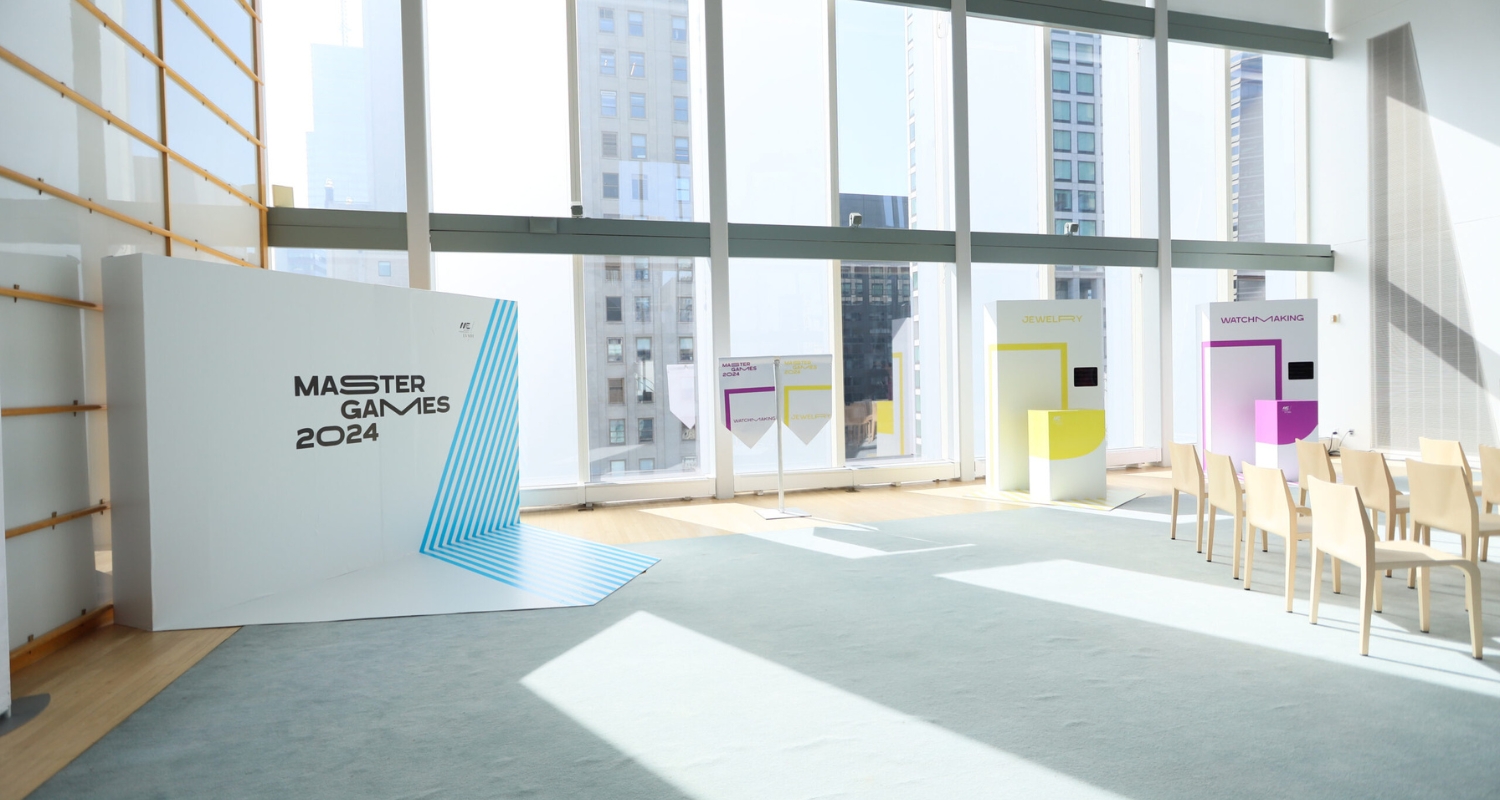
One of the biggest challenges in event design is getting everyone to picture the same final result. A client may describe one thing, a designer may imagine another, and a production team may interpret the setup differently.
Renderings make the vision easier to understand. Clients, designers, vendors, production teams, executives, and sponsors can all review the same visual reference. That keeps the planning process more aligned and reduces confusion later.
This is especially helpful when the event includes multiple moving pieces, such as staging, lighting, branded graphics, custom backdrops, video walls, lounge areas, registration spaces, or sponsor activations.
They Make Design Decisions Easier
Renderings make it easier to compare design choices before anything is ordered, built, or installed. Instead of guessing whether a color palette, furniture layout, screen placement, backdrop, or lighting look will work, you can see it first.
This helps clients make smarter decisions about the details that shape the event. If something feels too busy, too plain, too large, or off-brand, it can be adjusted before production begins.
That matters because changes are much easier on a screen than they are during event setup. Moving a graphic wall, changing a lighting concept, or reworking a stage layout is far simpler during the design phase than during load-in.
They Improve Event Layouts
A beautiful event still needs to function well. Renderings can help show how guests will move through the space, where they will gather, what they will see first, and how each area connects.
This is useful for registration areas, seating layouts, networking spaces, stage placement, sponsor displays, entrances, and photo moments. A rendering can make it easier to spot whether the room feels open, crowded, confusing, or balanced.
Good event design is not only about how the space looks. It is also about how people experience it.
They Help Catch Problems Before Installation
Renderings can reveal issues that may not be obvious in a basic plan. For example, a screen may be too low, a stage may feel oversized, a walkway may be too tight, or a branded sign may compete with another visual element.
They can also help identify blocked sightlines, awkward equipment placement, branding conflicts, furniture crowding, or areas that feel disconnected from the rest of the design.
Catching these issues early can save time, money, and stress. It gives the team a chance to adjust the plan before the event reaches the installation stage.
They Improve Lighting and AV Planning
Lighting and AV can completely change how an event looks and feels. Renderings help show how lighting angles, LED walls, screens, projection surfaces, cameras, and audio placement may interact with the space.
This is especially important for conferences, live streams, hybrid events, product launches, performances, and corporate presentations. A stage may look great in concept, but it also needs to work for speakers, cameras, guests, and production teams.
Renderings help connect the creative vision with the technical plan, which leads to a smoother and more polished event.
They Make Client Approvals Faster
Renderings can make approvals much easier because they give clients something clear to react to. Instead of trying to approve an idea based only on descriptions, mood boards, or floor plans, clients can see a visual version of the event.
That usually leads to better feedback, fewer revisions, and more confident decisions. It also helps executives, sponsors, committees, or stakeholders understand what they are approving.
When everyone can see the direction clearly, the planning process moves faster.
They Help Sell the Event
Renderings are not only useful for planning. They can also help sell the event before it happens.
For corporate events, renderings can support sponsor presentations, internal approvals, marketing materials, ticket sales, event announcements, and promotional campaigns. They give people a preview of the experience and make the event feel more real.
This can be especially helpful for product launches, galas, trade shows, conferences, and branded activations where excitement, buy-in, and visual impact matter early. Check out an event design example with renderings below:
When Should You Use Event Renderings?
Corporate Conferences
Use event renderings when a conference includes a main stage, LED video walls, branded signage, lounge areas, sponsor displays, or breakout spaces. They help teams see how the event will look and function before setup begins.
Product Launches
Product launches need strong visual impact. Renderings can show how the product reveal, stage design, branding, lighting, and screen content will work together before the launch day.
Trade Shows
For trade shows, renderings help visualize booth layouts, branded displays, product areas, and attendee flow. They are especially useful when you need to make a small footprint feel polished and intentional.
Brand Activations
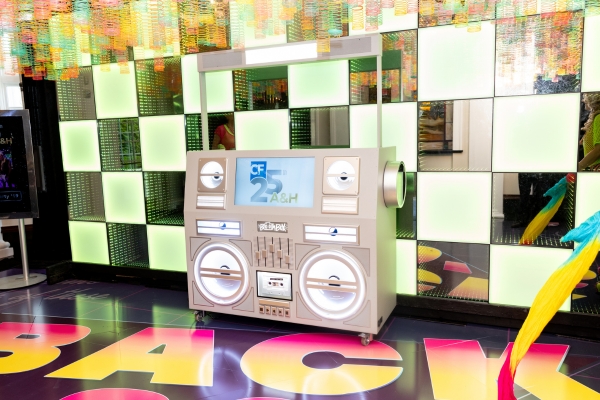
Brand activations depend on guest interaction and visual memorability. Renderings help plan photo moments, immersive displays, signage, branded zones, and experience-driven layouts.
Galas
Galas often need a polished room design that supports dining, speeches, entertainment, and sponsor visibility. Renderings help preview the atmosphere before furniture, lighting, staging, and décor are finalized.
Awards Programs
Awards programs need a stage that works for walk-ups, speeches, photos, and transitions. Renderings can help plan the stage layout, backdrop, lighting, screen placement, and guest experience.
Weddings
For weddings, renderings can help couples picture ceremony layouts, reception designs, sweetheart tables, dance floors, lighting, and custom backdrops. They are especially helpful for highly personalized or production-heavy weddings.
Fundraisers
Fundraisers often need to balance guest experience, sponsor recognition, speeches, auctions, and entertainment. Renderings help show how those pieces fit together in one cohesive event design.
Experiential Events
Experiential events are built around interaction, atmosphere, and impact. Renderings help map out immersive moments, guest movement, branded visuals, photo opportunities, and production details.
Renderings vs. Floor Plans
| Floor Plans | Renderings |
| Technical layout | Realistic visualization |
| Measurements | Finished appearance |
| Planning tool | Presentation tool |
| Functional | Emotional + functional |
Floor plans and renderings work best together. A floor plan helps the team understand spacing, placement, measurements, and flow. A rendering helps everyone picture the finished event from a visual and emotional perspective.
The floor plan answers where everything goes. The rendering shows what the event will feel like when guests walk in.
Why Work With One Of A Kind Events?
One Of A Kind Events helps clients move from an idea to a fully planned event experience. The process is collaborative, which means the design is built around the event goals, brand, audience, venue, and production needs.
Because the team handles custom event design and production, the rendering is not just a pretty concept. It connects directly to real event elements like staging, lighting, LED video walls, backdrops, branding, audio, and event flow.
That matters because event design and event production should work together. When one team can help guide the concept, visuals, technical needs, and installation plan, the event is more cohesive from start to finish.
For corporate events, conferences, galas, product launches, weddings, and branded activations, One Of A Kind Events can support the process from concept through production.
Frequently Asked Questions About Event Renderings
What is an event rendering?
An event rendering is a visual preview of what an event space may look like before it is built or installed. It can show elements like staging, lighting, furniture, backdrops, signage, LED walls, branding, and décor.
Why are renderings important for event design?
Renderings are important because they help clients and event teams see the design before production begins. They improve communication, make approvals easier, and help reduce uncertainty.
What is the difference between a rendering and a floor plan?
A floor plan shows the technical layout of the space, including placement, measurements, and flow. A rendering shows the finished visual concept so people can understand how the event may look and feel.
Can event renderings include lighting and staging?
Yes. Event renderings can include lighting, staging, LED video walls, backdrops, furniture, signage, branding, and other production elements.
Do renderings help with sponsor presentations?
Yes. Renderings can help sponsors understand where their branding may appear and how the event will look. This can make sponsor presentations clearer and more compelling.
Can renderings reduce event planning mistakes?
Yes. Renderings can help identify design issues early, such as blocked sightlines, awkward layouts, branding conflicts, lighting concerns, or oversized elements.
Are renderings only for large events?
No. Renderings can be useful for events of many sizes, especially when the design includes custom branding, staging, lighting, layouts, or important visual details.
See Your Event Before It Happens
Renderings make event planning more efficient by reducing guesswork. They help clients, planners, designers, sponsors, and production teams understand the same vision before setup begins.
They also improve communication, approvals, branding decisions, layout planning, and overall production quality. Instead of waiting until event day to see how everything comes together, renderings let you review and refine the concept earlier.
If you’re planning a conference, gala, product launch, or corporate event, One Of A Kind Events can help bring your vision to life with custom event design, production planning, and professional renderings before installation begins.