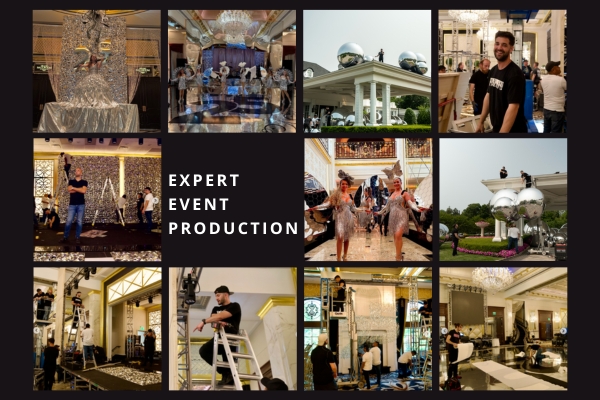
Scenic fabrication is the process of turning an event design or creative idea into physical, custom built elements. That can include stages, branded structures, backdrops, scenic walls, displays, installations, and complete event environments.
It brings together design, fabrication, construction, finishing, branding, and technical planning so an idea can move from a rendering or concept into something that actually works inside the venue.
If your event calls for something beyond standard rentals, explore One Of A Kind Events’ event fabrication services for custom builds designed around your space, brand, and event.
What is Scenic Fabrication? A Definition
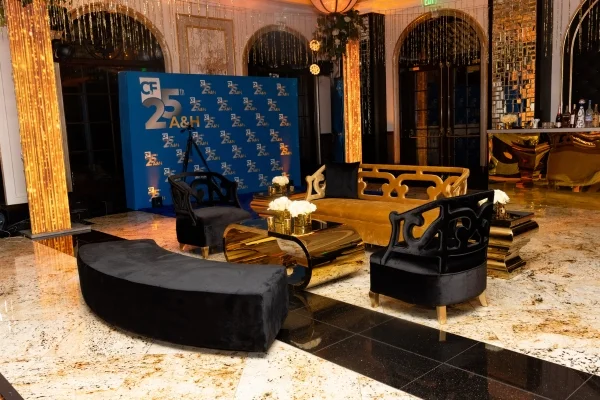
Scenic fabrication is the custom design and construction of physical elements used to shape an event environment.
It sits between the creative idea and the finished space guests actually experience. A concept may begin as a sketch, rendering, reference image, or branding package, but scenic fabrication is what turns that idea into a real structure.
Unlike selecting an existing rental piece, a fabricated element is developed specifically for the project. Its size, materials, finish, branding, structural requirements, transportation, installation, and eventual breakdown all need to be considered before it is built.
That is what makes scenic fabrication both creative and technical. The finished piece has to look right, but it also has to function properly in the actual event space.
Scenic Fabrication vs Standard Event Rentals
Standard event rentals use equipment or décor that already exists in inventory. Tables, furniture, stages, backdrops, and other pieces are selected from available options.
Scenic fabrication is used when the event requires something custom.
That could mean creating a completely new structure or modifying an existing element to fit a specific brand, venue, dimension, or creative direction.
Rentals are often the right solution when a standard product fits the need. Fabrication becomes useful when the event requires something that cannot simply be pulled from a warehouse.
What Can Be Created Through Scenic Fabrication?
Scenic fabrication can be used throughout an event, from the main stage to smaller branded details.
It is not one specific type of structure. It is the process used to create custom physical elements for the event.
Stages and Scenic Stage Elements
Scenic fabrication can transform a basic stage into a complete visual environment.
Custom elements may include stage surrounds, fascia, scenic walls, dimensional structures, architectural features, speaker environments, and integrated display areas.
These pieces can help define the stage visually while also working around LED walls, lighting, speakers, entrances, and other production equipment.
Branded Event Environments
Corporate events and brand activations often use fabrication to bring branding into the physical space.
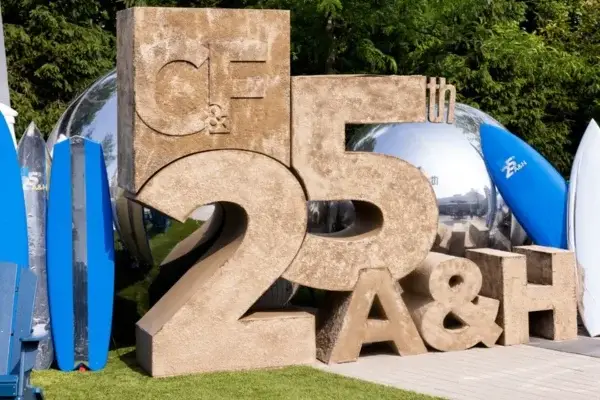
That can include product displays, sponsor installations, branded walls, entrance features, dimensional logos, custom signage, and larger experiential structures.
Instead of placing a logo onto an otherwise generic setup, fabrication allows branding to become part of the environment itself.
Backdrops, Displays, and Custom Structures
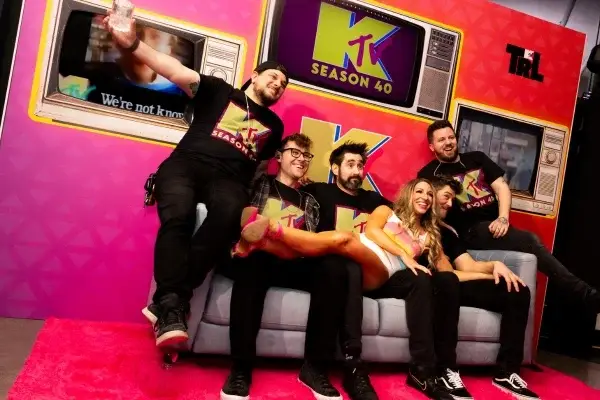
Scenic fabrication can also be used for custom backdrops, freestanding displays, photo environments, decorative installations, DJ booths, bars, product displays, and other purpose built pieces.
The scale can vary significantly. One project may require a single branded structure, while another may involve several fabricated elements designed to work together throughout the venue.
How the Scenic Fabrication Process Works
A strong scenic build starts long before materials are cut.
The process moves from creative direction into technical planning, fabrication, finishing, transportation, and installation. Each stage affects the next.
Concept and Event Design
The first step is understanding what needs to be created and what the finished element needs to accomplish.
A project may begin with:
- Reference images
- Sketches
- Brand guidelines
- Architectural plans
- Event renderings
- Existing venue drawings
- A rough idea that still needs development
At this stage, the team determines the overall look, size, function, placement, and role of the fabricated piece within the larger event.
The goal is to turn the creative direction into something specific enough to begin planning how it will actually be built.
Technical Planning and Material Selection
Once the concept is established, the design has to become practical.
The fabrication team needs to consider dimensions, material choices, structural requirements, venue restrictions, transportation, installation methods, budget, and how long the finished piece needs to remain in use.
A structure that looks great in a rendering still needs to fit through the venue, support its own components, work around production equipment, and be installed within the available timeline.
Material selection also depends on more than appearance. Weight, strength, finish, durability, cost, and ease of transportation can all influence what should be used.
This is the stage where a creative concept becomes a buildable plan.
Fabrication and Finishing
Once the design is finalized, fabrication begins.
Depending on the project, components may be cut, framed, assembled, welded, routed, painted, wrapped, textured, printed, branded, or finished using several different techniques.
Fabrication methods can include woodworking, metalwork, CNC machining, precision cutting, printing, and custom finishing.
The exact process depends on the design. A dimensional logo may require very different tools and materials than a large scenic wall or custom stage surround.
Finishing is equally important. Paint, vinyl, graphics, textures, lighting details, and surface treatments are often what turn the underlying structure into the finished scenic element guests actually see.
Delivery and Installation
Fabrication does not end when the build is finished in the shop.
The completed elements still need to reach the venue, move through the building, and be assembled in the correct location.
That means transportation and installation have to be considered during the design process.
Large pieces may need to be built in sections so they can fit through loading docks, freight elevators, hallways, and venue entrances. The installation method also has to work within the available load in schedule.
If a scenic element cannot physically enter the venue or cannot be assembled during the available setup window, it was not properly planned.
The final stage is onsite installation, where the fabricated elements are positioned, assembled, finished, and integrated with the rest of the event environment.
Materials Used in Scenic Fabrication
Scenic fabrication can combine several materials within a single build. The right choice depends on what the structure needs to look like, how strong it needs to be, how it will be transported, and how it will be installed.
Wood and Sheet Materials
Wood, plywood, MDF, and similar sheet materials are common because they can be cut, shaped, painted, wrapped, and finished in many different ways.
They may be used for framing, scenic walls, panels, furniture, dimensional elements, stage features, signage, and finished surfaces.
Different materials serve different purposes. Some provide the underlying structure, while others create the smooth visible surface guests actually see.
Metal
Metal is often used where strength, durability, or a more precise structural framework is needed.
It can be incorporated into frames, bases, supports, custom shapes, scenic structures, and other components that need to remain stable while supporting additional materials.
Metal can also be combined with wood, acrylic, graphics, and lighting rather than serving as the visible finish itself.
Acrylic, Plastics, Foam, Fabric, and Specialty Materials
Other materials allow fabricators to create details that would be difficult to achieve with wood or metal alone.
Acrylic and plastics can be used for signage, translucent panels, dimensional lettering, and illuminated elements. Foam can create lightweight sculptural forms and dimensional details. Fabric can cover large surfaces, soften structures, or create stretched scenic elements.
Specialty finishes, printed graphics, vinyl, and digitally fabricated components can then complete the final appearance.
Material selection should account for appearance, strength, weight, durability, transportation, installation, and budget, not simply what looks best in a rendering.
How Branding, Lighting, and AV Integrate With Scenic Fabrication
Scenic fabrication becomes even more useful when branding and production technology are considered during the design process instead of added afterward.
Building Branding Into the Environment
Branding can be physically incorporated into the build through dimensional logos, company colors, printed graphics, vinyl, custom finishes, signage, sponsor graphics, and branded architectural elements.
Digital displays can also become part of the environment.
This allows the event to feel intentionally designed around the brand rather than looking like branding was placed on top of an otherwise generic setup.
Lighting and LED Integration
Scenic elements can also be designed around lighting and video technology.
That may include:
- Integrated LED lighting
- Illuminated logos
- LED strips
- Monitors
- LED video walls
- Digital displays
Planning these systems early creates space for mounting hardware, power, wiring, cable routing, ventilation, and equipment access.
For example, an LED wall may need to sit inside a custom scenic surround, while an illuminated logo may require power and hidden wiring within the structure itself.
The scenery and technology should work as one system rather than competing for space after everything has already been built.
What Should Be Planned Before Scenic Fabrication Begins?
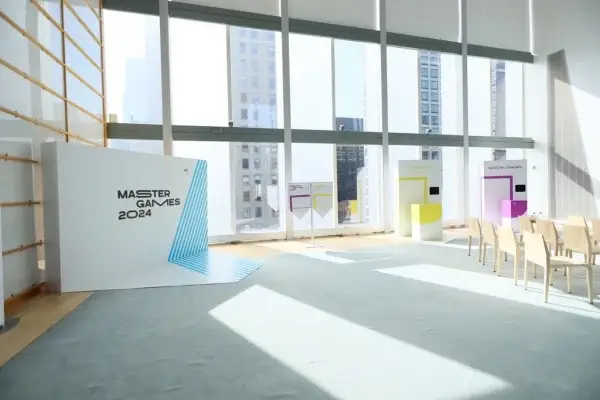
The earlier the fabrication team understands the venue, timeline, budget, and project goals, the easier it is to design something that works in the real event environment.
Venue and Physical Constraints
The team should know where the build will ultimately be installed.
Important information includes the available dimensions, ceiling height, loading access, door widths, elevators, installation area, and any venue restrictions.
These details can affect everything from the overall size of the structure to how many sections it needs to be broken into for transportation.
Timeline and Installation Window
Custom fabrication takes more planning than selecting something from existing rental inventory.
The schedule may need to account for design, client approvals, material sourcing, construction, finishing, branding, transportation, installation, and breakdown.
The venue’s load in schedule matters too.
A large scenic installation that takes several hours to assemble requires a very different plan than a small piece that can be positioned quickly.
Giving the fabrication team enough time allows these details to be addressed before they become onsite problems.
Budget and Project Priorities
Not every part of an event needs the same level of customization.
Clients should identify which elements are most important, where custom fabrication will have the greatest impact, and whether any pieces need to be reused for future events.
From there, the fabrication team can determine where the budget is best spent.
Sometimes that means simplifying one element so more can be invested in the main stage, branded installation, entrance feature, or other focal point.
The goal is not to fabricate everything. It is to customize the elements where it actually improves the event.
Frequently Asked Questions About Scenic Fabrication
What is scenic fabrication?
Scenic fabrication is the process of creating custom physical elements for events, such as branded structures, backdrops, stage surrounds, displays, scenic walls, and installations.
What types of events use scenic fabrication?
Scenic fabrication is commonly used for corporate events, conferences, product launches, galas, brand activations, weddings, and other events that need custom visual elements.
What materials are used in scenic fabrication?
Common materials include wood, plywood, MDF, metal, acrylic, plastics, foam, fabric, vinyl, and printed graphics. The right material depends on the design, strength, weight, finish, and installation requirements.
Can scenic fabrication include branding?
Yes. Logos, colors, graphics, dimensional lettering, sponsor branding, and digital displays can all be built into the scenic design.
Can lighting or video be built into scenic elements?
Yes. Scenic structures can be designed around LED lighting, illuminated logos, monitors, LED walls, and other AV equipment when those systems are planned early.
Does scenic fabrication include installation?
It can. Many scenic fabrication projects include delivery, onsite assembly, installation, and breakdown in addition to the actual build.
Work with an Event Fabrication Company You Can Rely on
Scenic fabrication turns an event concept into a real physical environment through design, technical planning, material selection, construction, finishing, branding, and onsite installation. When those steps are considered together, custom elements can look intentional while still working within the realities of the venue and production.
Planning a custom stage, branded environment, backdrop, installation, or other one of a kind event build? Explore One Of A Kind Events’ event fabrication services to see how our team takes custom concepts from design through onsite installation.