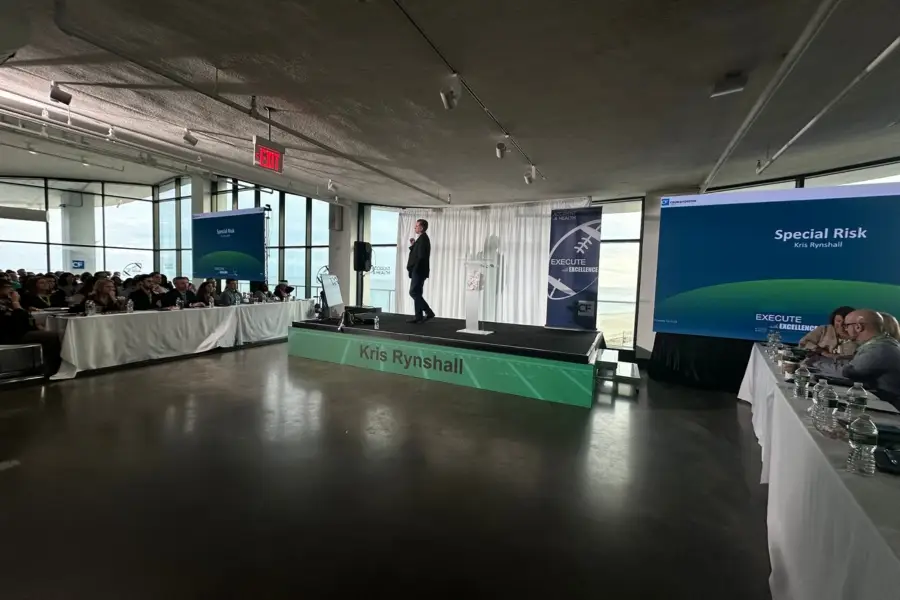
Conference stage design ideas should do more than make the room look nice. The stage is the visual center of the event. It is where guests look during keynote speeches, panel discussions, product reveals, award moments, and major company announcements.
A strong stage setup helps the audience focus. It gives speakers a clear place to present. It makes your branding feel intentional. It also affects how the event looks in photos, videos, live streams, and recap content after the day is over.
For corporate meetings, conferences, galas, product launches, and keynote presentations, the stage can shape the entire feel of the room. A basic platform may work for some events, but a custom stage with the right lighting, screens, backdrop, and layout can make the event feel more polished from the moment guests walk in.
If you are planning a corporate event, conference, or branded presentation, One Of A Kind Events offers stage rentals in New Jersey that can help bring your stage design, lighting, and production setup together.
Quick Answer: Conference Stage Design Musts
If you’re planning a conference, corporate event, product launch, or leadership meeting, these are the most important conference stage design elements to get right:
- Choose the right stage size: for your audience, speakers, and presentation needs.
- Prioritize visibility with proper stage elevation, screen placement, and audience sightlines.
- Use professional lighting: so speakers look clear both in person and on camera.
- Ensure strong audio coverage: with microphones and speakers designed for the room size.
- Incorporate intentional branding: through backdrops, LED walls, logos, colors, and graphics.
- Match the stage layout to the event type: whether it’s a keynote, panel discussion, award ceremony, or product launch.
- Consider photo and video quality: when designing the stage, especially for livestreams and post-event marketing.
- Plan around venue limitations: such as ceiling height, ballroom layout, power access, and loading areas.
- Use LED video walls or presentation screens: when guests need to view content from a distance.
- Create a clear event flow: that supports speaker transitions, audience engagement, and production cues.
The best conference stage designs balance appearance and functionality. A stage should look impressive, support the event’s goals, and help every guest clearly see, hear, and engage with what’s happening on stage.
Why Conference Stage Design Matters
Conference stage design matters because it sets the tone before anyone says a word. When guests enter the room, the stage is usually one of the first things they notice. A clean, well-planned stage makes the event feel organized, professional, and worth paying attention to.
It also affects speaker visibility. If the stage is too low, too small, or poorly lit, people in the back of the room may struggle to see the presentation. That can make even a great speaker feel disconnected from the audience.
The right design also helps control focus. Screens, lighting, backdrops, and stage placement guide the audience’s eyes toward the speaker or presentation. That matters during keynote sessions, panels, awards, training events, and product launches where attention needs to stay on the moment.
Branding is another major piece. A conference stage can include company colors, logos, sponsor graphics, LED wall content, custom backdrops, and branded visuals. These details make the event feel more connected to the company or organization hosting it.
Stage design also impacts photo and video quality. If the lighting is flat, the backdrop is cluttered, or the screen placement is awkward, your event photos may not reflect the quality of the experience. A better stage setup gives photographers, videographers, and livestream teams a cleaner environment to capture.
Finally, stage design supports event flow. A well-planned stage gives speakers, panelists, hosts, and performers enough room to move naturally. It also helps with entrances, transitions, award presentations, and timing throughout the program.
10 Conference Stage Design Ideas
1. LED Video Wall Stage Design
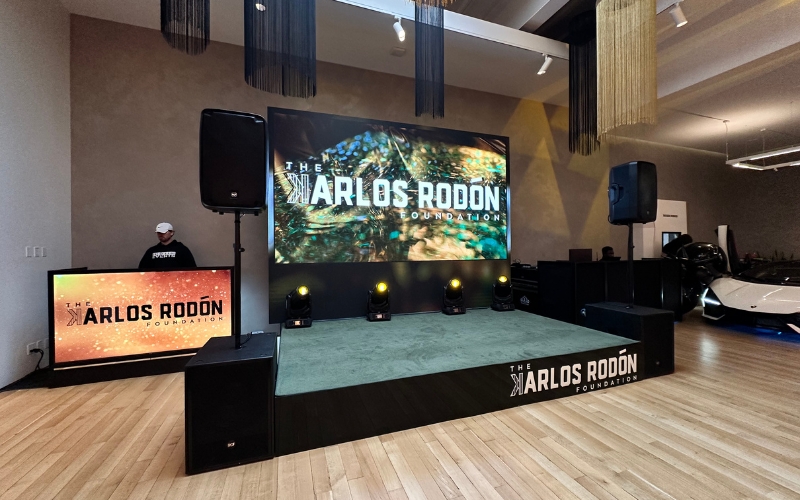
An LED video wall can turn a simple conference stage into a branded visual centerpiece. It can display presentation slides, sponsor logos, motion graphics, company messaging, speaker names, and live video feeds.
This works especially well for keynote speakers, corporate conferences, product launches, and larger general sessions. Instead of relying on a small projection screen, an LED wall gives the room a brighter, cleaner, and more modern focal point.
LED wall stage design is also useful when you want the event to feel high-production. The content on the screen can change throughout the program, which keeps the stage feeling active instead of static.
2. General Session Stage Design
A general session stage is designed for the main part of a conference. This is where large groups gather for keynote speakers, leadership updates, major announcements, and full-room presentations.
For this type of setup, visibility matters most. The stage should be elevated enough for the audience to see clearly, and the screen should be large enough for guests in the back of the room. Lighting should keep the speaker visible without washing out the screen.
Audio is just as important. A general session stage should support clear microphones, strong sound coverage, and smooth transitions between speakers. When the setup is right, the room feels focused and easy to follow.
3. Speaker-Focused Stage Design

A speaker-focused stage is ideal for executives, keynote presenters, trainers, and featured guests. The goal is to keep the setup clean, elevated, and distraction-free so the audience stays focused on the person speaking.
This design may include a simple stage platform, podium, branded backdrop, confidence monitor, and clean front lighting. It does not need to be overly complicated. In many cases, the best speaker stage is the one that looks polished without pulling attention away from the message.
This setup works well for leadership meetings, business seminars, educational conferences, and company town halls.
4. Panel Discussion Stage Design
Panel discussions need a different layout than single-speaker presentations. The stage has to fit multiple chairs, microphones, side tables, and sometimes a moderator station or podium.
Spacing matters here. Panelists should have enough room to sit comfortably without feeling cramped. Each speaker also needs to be visible to the audience, properly lit, and easy to hear.
A strong panel stage may include a branded backdrop, soft seating, uplighting, and a screen for topic slides or sponsor visuals. The goal is to make the discussion feel organized while still keeping it conversational.
5. Product Launch Stage Design
Product launch stages should create anticipation. Whether a company is revealing a new product, campaign, service, or major announcement, the stage should help build the moment.
Lighting, video walls, branded graphics, dramatic entrances, and reveal moments can all make a product launch feel more memorable. The stage may need room for a presenter, product display, demonstration area, and photo-friendly branding.
This type of conference stage design is especially useful when the event needs to impress clients, employees, investors, media, or industry partners.
6. Runway Style Conference Stage
A runway style conference stage is a great option when you want the presentation to feel more dynamic. Instead of keeping every speaker or presenter at the front of the room, a runway brings the action closer to the audience.
This layout works well for fashion shows, award programs, product demonstrations, entertainment segments, and interactive presentations. It gives presenters room to move, showcase products, and connect with guests from different angles.
Runway stages can also make the room feel more immersive. Guests are not just watching from a distance. They feel closer to the presentation, which can make the event more engaging and memorable.
7. Branded Backdrop Stage Design
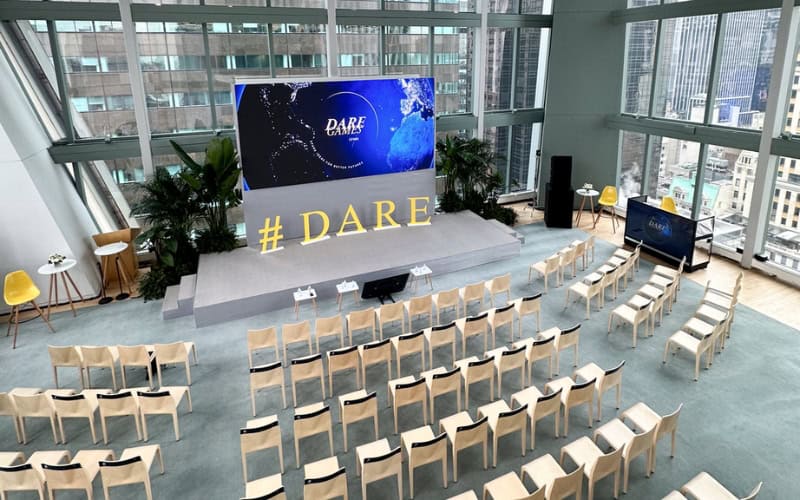
A branded backdrop gives your conference stage a cleaner and more intentional look. Instead of leaving a blank wall behind the speaker, you can use custom backdrops, company logos, sponsor graphics, step-and-repeat elements, or branded panels.
This is especially useful for corporate conferences, galas, press events, and sponsor-heavy programs. When guests take photos or when the event is filmed, the branding appears naturally in the background.
A strong backdrop does not need to feel overwhelming. The best designs usually support the event theme without distracting from the speaker, presentation, or main message.
8. Ballroom Conference Stage Design

Ballroom conference stages are common for hotel events, corporate dinners, galas, annual meetings, and leadership presentations. These spaces can look beautiful, but they often come with limitations that need to be planned around.
Ceiling height, chandeliers, columns, wall colors, carpet patterns, loading access, and room shape can all affect the stage design. A setup that works in one ballroom may not work the same way in another.
For ballroom events, the goal is to make the stage feel like it belongs in the room. That may mean using the right stage height, screen size, lighting placement, and backdrop style so the setup looks polished without fighting the venue.
9. Hybrid Event Stage Design
Hybrid event stages need to work for two audiences at once: the people in the room and the people watching online. That means the setup has to look good in person and on camera.
Camera angles, lighting, audio, screen placement, and livestream visibility all matter. A stage that looks fine from a guest’s seat may not translate well on video if the lighting is uneven or the background feels cluttered.
For hybrid conferences, keep the stage clean, well-lit, and easy to frame. Speakers should have clear microphones, strong lighting, and a background that supports the event brand without distracting virtual attendees.
10. Awards Ceremony Stage Design
Awards ceremony stages need to support movement, timing, and big moments. Guests may be walking up to accept awards, giving speeches, posing for photos, or transitioning between entertainment and formal presentations.
The stage should have clear access points, good lighting, strong audio, and enough room for presenters, recipients, and hosts. Sound cues and lighting cues also help each moment feel smooth instead of rushed.
A well-designed awards stage makes the program feel more polished. It gives every recipient a moment that feels intentional, photo-worthy, and easy for the audience to follow.
How to Choose the Right Conference Stage Design
The best conference stage design depends on the event itself. A keynote presentation, panel discussion, award ceremony, product launch, and training event all need different layouts.
Before choosing a stage setup, think about how the room will be used, who will be speaking, what guests need to see, and what the event needs to communicate.
Consider the Size of the Audience
Audience size affects almost everything about the stage. A small meeting may only need a simple platform and clean backdrop, while a large conference may need elevated staging, LED walls, side screens, stronger lighting, and more audio coverage.
If guests are seated far from the stage, visibility becomes a bigger priority. The stage should be high enough, bright enough, and supported by screens so everyone can follow along.
Think About the Type of Presentation
Different presentations need different stage layouts. A keynote speaker may need a clean center-stage setup. A panel discussion needs seating, microphones, and space for a moderator. A product launch may need room for a reveal, demonstration, or branded display.
Award shows, training sessions, and corporate meetings also have their own needs. Matching the stage to the purpose of the event helps the program feel natural and organized.
Plan Around the Venue
The venue plays a major role in what is possible. Ceiling height, ballroom layout, power access, loading areas, wall placement, and room shape can all affect your stage design.
It is better to plan around these details early instead of trying to force a design that does not fit the space. A good stage setup should work with the venue, not against it.
Match the Stage to Your Brand
Your stage should feel connected to the company, organization, or event theme. Colors, logos, lighting, screen content, and backdrop materials should all work together.
This does not mean every inch of the stage needs a logo. It means the design should feel intentional. When the stage matches the brand, the entire event feels more cohesive.
Common Conference Stage Design Mistakes
One of the biggest mistakes is choosing a stage that is too small. If presenters feel cramped or there is not enough room for panels, awards, or product demos, the event can feel awkward fast.
Another common issue is using screens that are hard to see. If the screen is too small, too low, or blocked by the stage setup, guests may struggle to follow the presentation.
Lighting is another area that gets overlooked. Dim lighting can make speakers harder to see and can hurt photo and video quality. At the same time, poor lighting placement can create shadows or wash out screens.
Branding should also be planned early. When logos, colors, and graphics are treated as an afterthought, the stage may feel disconnected from the event.
Audio is just as important as visuals. Microphones, speakers, and sound coverage should be planned before the event day, especially for larger rooms, panels, and livestreams.
Sightlines also matter. A stage should not block guests from seeing screens, presenters, or important moments. The layout should support the audience experience from every section of the room.
Finally, do not forget photos and video. If your event will be photographed, filmed, or live streamed, the stage should be designed with the camera in mind.
Conference Stage Design Checklist
Before finalizing your conference stage design, review the essentials:
- Stage size
- Speaker count
- Screen needs
- Lighting needs
- Audio needs
- Branding assets
- Presentation content
- Camera or livestream needs
- Venue access
- Setup and breakdown timing
This checklist helps make sure the stage looks good, works properly, and supports the flow of the event.
Build a Conference Stage That Supports the Moment
Strong conference stage design is about more than appearance. The right setup helps speakers feel confident, keeps the audience focused, supports your branding, improves photo and video quality, and makes the entire event flow more smoothly.
Whether you are planning a keynote presentation, panel discussion, product launch, awards program, gala, or corporate meeting, the stage should support the moment instead of simply filling the room.
If you need help planning a stage setup for a conference, corporate event, product launch, or awards program, One Of A Kind Events provides custom stage rentals in NJ with design, lighting, audio, and production support to help your event look polished from every angle.
Frequently Asked Questions About Conference Stage Design
What makes a good conference stage design?
A good conference stage design is easy to see, properly lit, branded, functional, and matched to the type of presentation or event.
How big should a conference stage be?
The right stage size depends on the number of speakers, audience size, screen setup, venue layout, and whether the event includes panels, awards, product demos, or entertainment.
Do conferences need LED video walls?
Not every conference needs an LED video wall, but they are helpful for large rooms, branded visuals, sponsor content, presentations, and high-production events.
What should be included in a conference stage setup?
A conference stage setup may include staging, lighting, audio, microphones, screens, branded backdrops, podiums, seating, video walls, and livestream support.
How early should I plan conference stage rentals?
It is best to plan conference stage rentals as early as possible, especially if your event needs custom staging, lighting, LED walls, branded elements, or a tight setup schedule.
Can stage design include branding?
Yes. Stage design can include logos, company colors, sponsor graphics, branded backdrops, LED wall content, and custom visuals.
What is the best stage layout for a panel discussion?
A panel discussion usually works best with comfortable seating, clear spacing, individual microphones, good lighting, and a layout that keeps every panelist visible to the audience.