
Event production vs. event planning is a common point of confusion because the two services are closely connected. They both help create successful events, but they are not the same thing.
Event planning focuses on organization. It covers the logistics, timeline, vendors, budget, guest experience, and all the moving parts that need to be coordinated before the event happens.
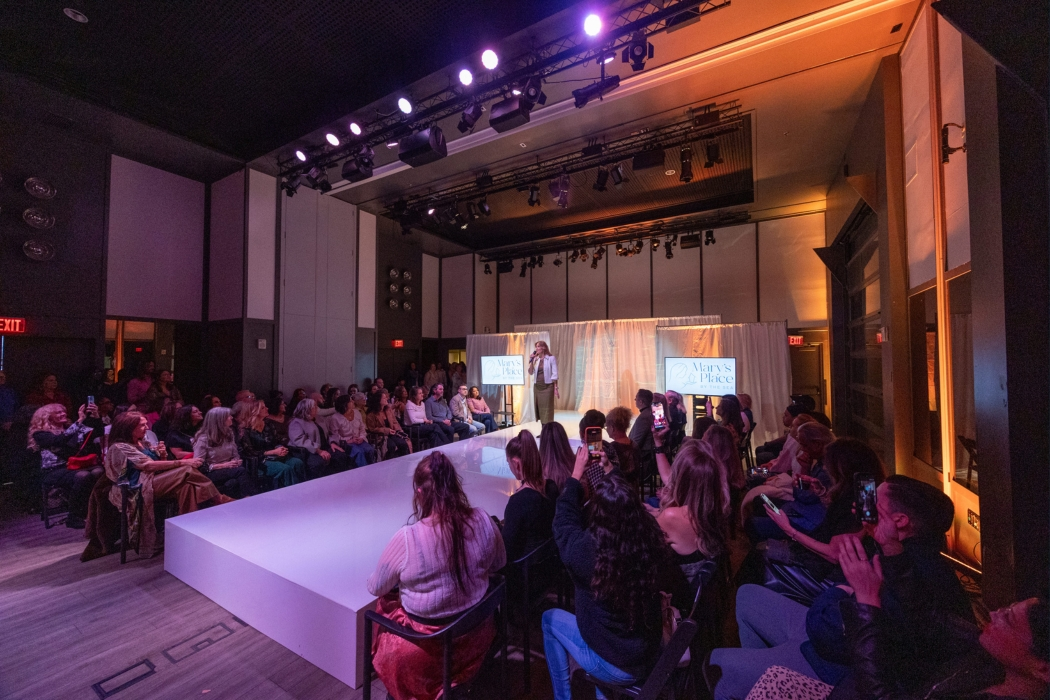
Event production focuses on execution. It brings the event to life through staging, lighting, audio, video, entertainment, scenic design, technical direction, and on-site management.
Most successful events rely on both. Conferences, corporate meetings, product launches, galas, trade shows, fundraisers, and brand activations all need strong planning and strong production to feel smooth, polished, and memorable.
If you’re planning a corporate event, conference, or product launch, One Of A Kind Events provides event production services that help bring every detail to life.
Quick Answer: Event Production vs. Event Planning
Event planning organizes the event. Event production turns the plan into a live experience. Planning keeps the details aligned, while production handles the technical, creative, and on-site execution.
| Event Planning | Event Production |
| Organizes the event | Brings the event to life |
| Focuses on logistics | Focuses on execution |
| Coordinates vendors | Manages technical production |
| Creates schedules | Runs the show |
| Manages budgets | Manages staging, lighting, AV, and on-site execution |
| Happens mostly before the event | Happens before, during, and after the event |
Think of it this way: Event planning creates the roadmap. Event production makes it happen.
What is Event Planning?
Event planning is the process of organizing the event from a logistics and coordination standpoint. It helps make sure the right people, vendors, spaces, timelines, and details are in place before the event begins.
A planner may help with venue selection, guest registration, catering, transportation, vendor communication, budgeting, and scheduling. Their job is to make the event organized and manageable from start to finish.
Good event planning supports the guest experience by making sure the basics are handled clearly. Guests know where to go, vendors know when to arrive, and the event has a structure everyone can follow.
Typical Responsibilities of an Event Planner
- Venue research and selection
- Budget planning and tracking
- Vendor coordination
- Timeline creation
- Guest lists and registration
- Catering coordination
- Transportation planning
- Hotel room blocks or accommodations
- Permits and logistics
- Communication with stakeholders
- Event schedule management
What is Event Production?

Event production is the process of turning the event plan into a real, live experience. It focuses on the technical, creative, and on-site elements that guests actually see, hear, and feel.
This includes staging, lighting, audio, video, LED walls, entertainment, scenic fabrication, branded environments, and the flow of the show itself. Production is what makes an event feel polished instead of simply organized.
An event production team manages how the event looks, sounds, and runs in the room. They handle the details that make presentations, performances, reveals, speeches, and branded moments happen smoothly.
Typical Responsibilities of an Event Production Team
- Stage design
- Lighting design
- Audio production
- Video production
- LED video walls
- Entertainment coordination
- Scenic fabrication
- Custom backdrops
- Show calling
- Run of show execution
- Technical direction
- Crew management
- On-site troubleshooting
- Setup and breakdown coordination
Event Production vs. Event Planning: Key Differences
| Category | Event Planning | Event Production |
| Primary Goal | Organization | Execution |
| Focus | Logistics | Experience |
| Timeline | Months before the event | Planning through event day |
| Main Responsibilities | Vendors, schedules, budget | Staging, AV, lighting, show management |
| Success Metric | Organized event | Memorable event experience |
| Team Members | Planner, coordinator | Producers, AV technicians, lighting designers |
| Guest Impact | Smooth experience | Immersive experience |
The easiest way to understand the difference is this: planning makes sure the event is possible, while production makes sure the event feels professional, engaging, and well-executed.
How Event Planning and Event Production Work Together
Event planning and event production work best when they are connected early. Planning creates the strategy, while production executes that strategy in the room.
The planner may organize the timeline, venue, catering, vendors, guest communication, and budget. The production team then looks at how the event will actually function on-site, including staging, lighting, sound, screens, entertainment, entrances, transitions, and technical flow.
Strong communication between both sides helps prevent gaps. Shared timelines, shared goals, and clear responsibilities make the attendee experience much smoother.
Common Misconceptions
They’re the Same Thing
Event planning and event production are connected, but they are not the same. Planning focuses on logistics, coordination, and preparation, while production focuses on technical execution, design, and the live event experience.
Production Only Means AV
Event production includes AV, but it is much broader than that. It can also include staging, lighting, branding, scenic design, entertainment, timing, show flow, crew management, and on-site execution.
Small Events Don’t Need Production
Some small events may not need full-scale production, but smaller events can still benefit from professional production support. If the event includes a stage, microphones, lighting, branded visuals, entertainment, or an important presentation, production can make a major difference.
When Do You Need Both Event Planning and Event Production?
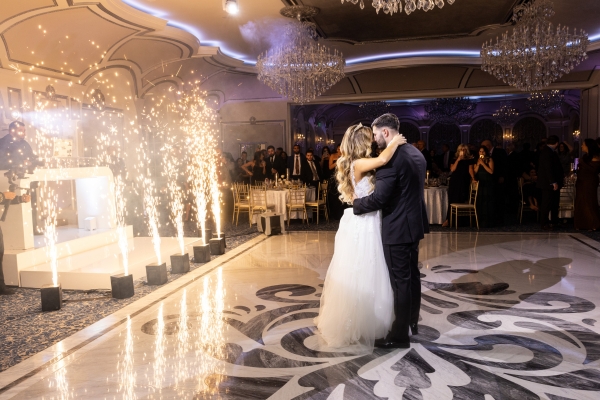
For most professional events, the answer is simple: you need both.
Event planning and event production are designed to work together, not replace one another. Planning creates the strategy, while production executes that strategy in the real world. One without the other often leaves gaps that guests notice.
Think about a corporate conference. Someone needs to coordinate the venue, speakers, catering, registration, schedules, and vendors. At the same time, someone also needs to manage the stage, lighting, sound, LED video walls, presentations, entertainment, and the run of show. Those are two very different responsibilities.
The same is true for product launches, galas, trade shows, fundraisers, brand activations, award shows, and large corporate meetings. The more moving parts an event has, the more important it becomes to have both planning and production working together from the beginning.
Planning Without Production
A well-planned event can still struggle if there isn’t a team responsible for bringing it to life.
Common issues include:
- Weak lighting or audio
- Presentation and microphone problems
- Poor stage design
- Awkward event timing
- Technical delays
- Missed production cues
- A guest experience that feels flat
Production Without Planning
A beautiful event can also run into problems without strong planning behind it.
Common issues include:
- Vendor scheduling conflicts
- Registration delays
- Catering timing issues
- Budget overruns
- Communication breakdowns
- Guest flow problems
- Last-minute logistical surprises
The Best Events Start With Both
The strongest events combine organized planning with professional production. Planning keeps everything coordinated before the event, while production ensures everything runs smoothly once guests arrive.
Whether you’re hosting a conference, product launch, gala, trade show, fundraiser, or corporate event, combining both disciplines creates a more polished experience, fewer surprises, and a better outcome for everyone involved.
Why Work With One Of A Kind Events?

One Of A Kind Events provides event production expertise for corporate events, conferences, galas, product launches, trade shows, weddings, and branded experiences.
The team can support stage rentals, lighting, LED video walls, backdrops, event branding, scenic fabrication, entertainment, and full production planning. That means the event does not just look organized. It feels intentional from the moment guests arrive.
Working with one production partner also helps keep the process smoother. Instead of separating staging, lighting, visuals, branding, and entertainment across multiple vendors, One Of A Kind Events can help connect the creative concept with the technical execution.
Frequently Asked Questions About Event Production vs. Event Planning
What is the difference between event planning and event production?
Event planning focuses on logistics, schedules, budgets, vendors, and coordination. Event production focuses on staging, lighting, AV, design, entertainment, and on-site execution.
Do I need an event planner or an event production company?
You may need an event planner if you need help organizing logistics. You may need an event production company if your event needs staging, lighting, sound, video, branding, entertainment, or technical execution.
Can one company provide both?
Yes. Some companies can support both planning and production, while others specialize in one side. For larger events, it is important to make sure both responsibilities are clearly covered.
When should I hire an event production company?
Hire an event production company as early as possible, especially if your event includes staging, lighting, video walls, entertainment, custom branding, or a complex run of show.
Conclusion: Great Events Need Great Planning and Great Production
Event planning and event production serve different but complementary roles. Planning keeps the event organized, while production brings the experience to life.
The strongest events combine clear logistics with strong execution. That means thinking beyond schedules and vendor coordination and focusing on what guests will actually see, hear, feel, and remember.
If you’re planning a conference, gala, product launch, trade show, or corporate event, One Of A Kind Events provides professional event production services that transform ideas into memorable experiences, from staging and lighting to custom event design and on-site execution.